Non-Human Identity Security Platform
Architecting an enterprise cybersecurity platform that unifies Non-Human Identity (NHI) governance with tactical gamification and high-velocity threat remediation.
Context & Problem
In modern cloud architectures, Non-Human Identities (NHIs)—service accounts, API tokens, CI/CD pipeline secrets, OAuth apps, and automated machine bots—outnumber human workforce identities by more than 45 to 1. While enterprises spend millions securing employee logins with SSO, biometric MFA, and rigorous offboarding, machine identities are provisioned in seconds, granted sprawling administrative privileges, and virtually forgotten.
Recent high-profile enterprise breaches revealed a chilling pattern: attackers no longer need to write sophisticated zero-day exploits; they simply log in using orphaned, long-lived machine credentials. Yet security operations (SecOps) teams were fundamentally blind: traditional security tools produced endless flat spreadsheets and firehoses of disconnected alerts, leaving critical vulnerabilities buried under cognitive noise.
How might we transform invisible, multi-cloud machine risk into an intuitive, observable spatial threat model—and replace stressful alert burnout with engaging, high-velocity remediation workflows?
Joining as Senior UX/UI Designer, I led the complete product design lifecycle: foundational discovery, mental model architecture, design systems, and responsive delivery for over 70 desktop and mobile screens. Collaborating directly with threat researchers, enterprise CISOs, and senior engineering, we built a next-generation platform that bridges mission-critical cybersecurity rigor with gamified tactical incident resolution.
Information Architecture
Before shaping high-fidelity interfaces, we needed to deconstruct a fragmented cybersecurity domain into an intuitive mental model. Non-human identities span disparate cloud providers, container orchestration pipelines, and internal microservices. If the underlying topology isn't crystal-clear, even the most polished UI collapses into cognitive noise.
During early discovery workshops, we mapped out the core entity relationships and operator journeys directly on physical whiteboards—bridging raw backend endpoints (/dashboard, /missions, /reports, /campus) into a modular Page → Layout → Section → Component hierarchy.
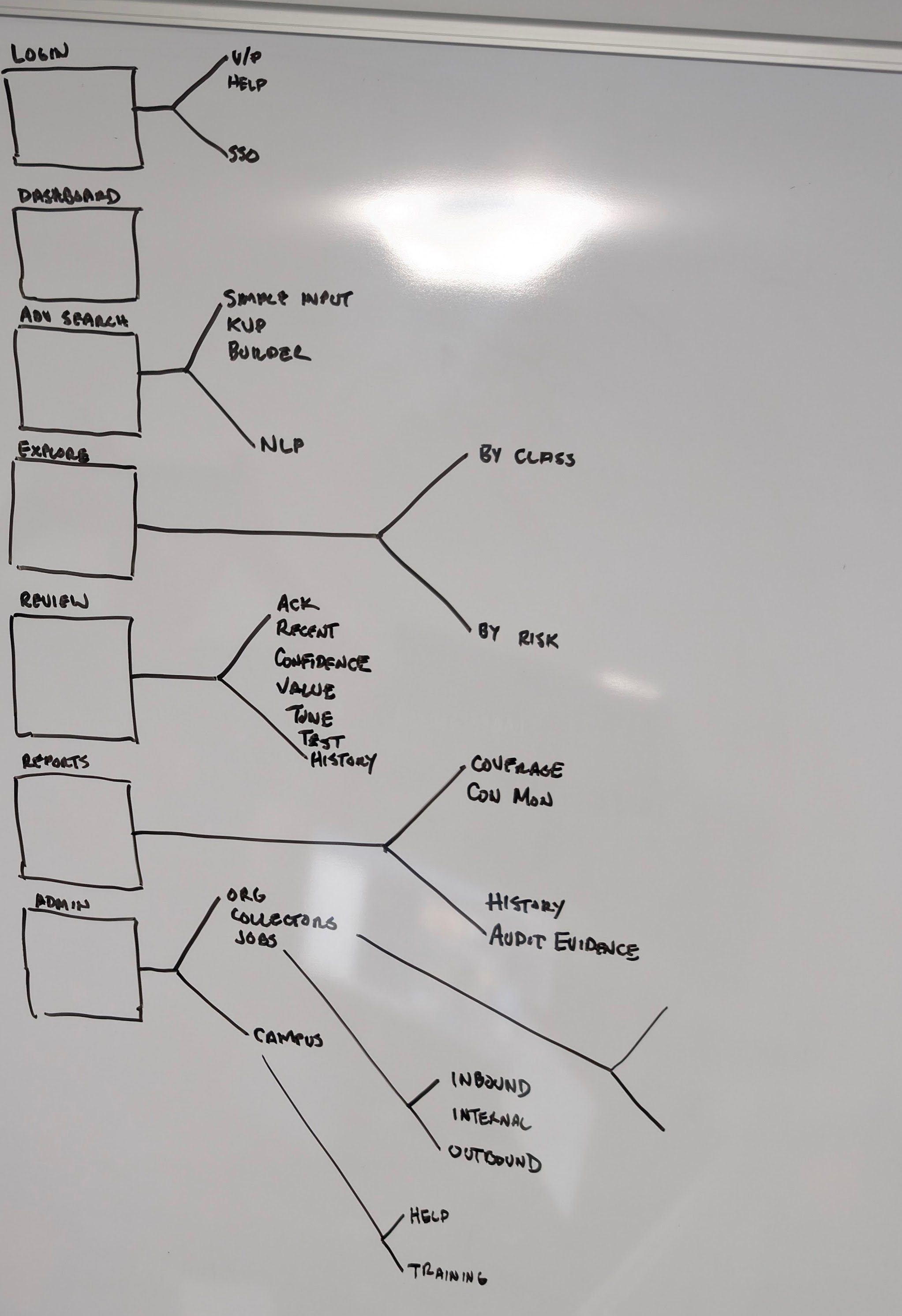
Operator Navigation Flows
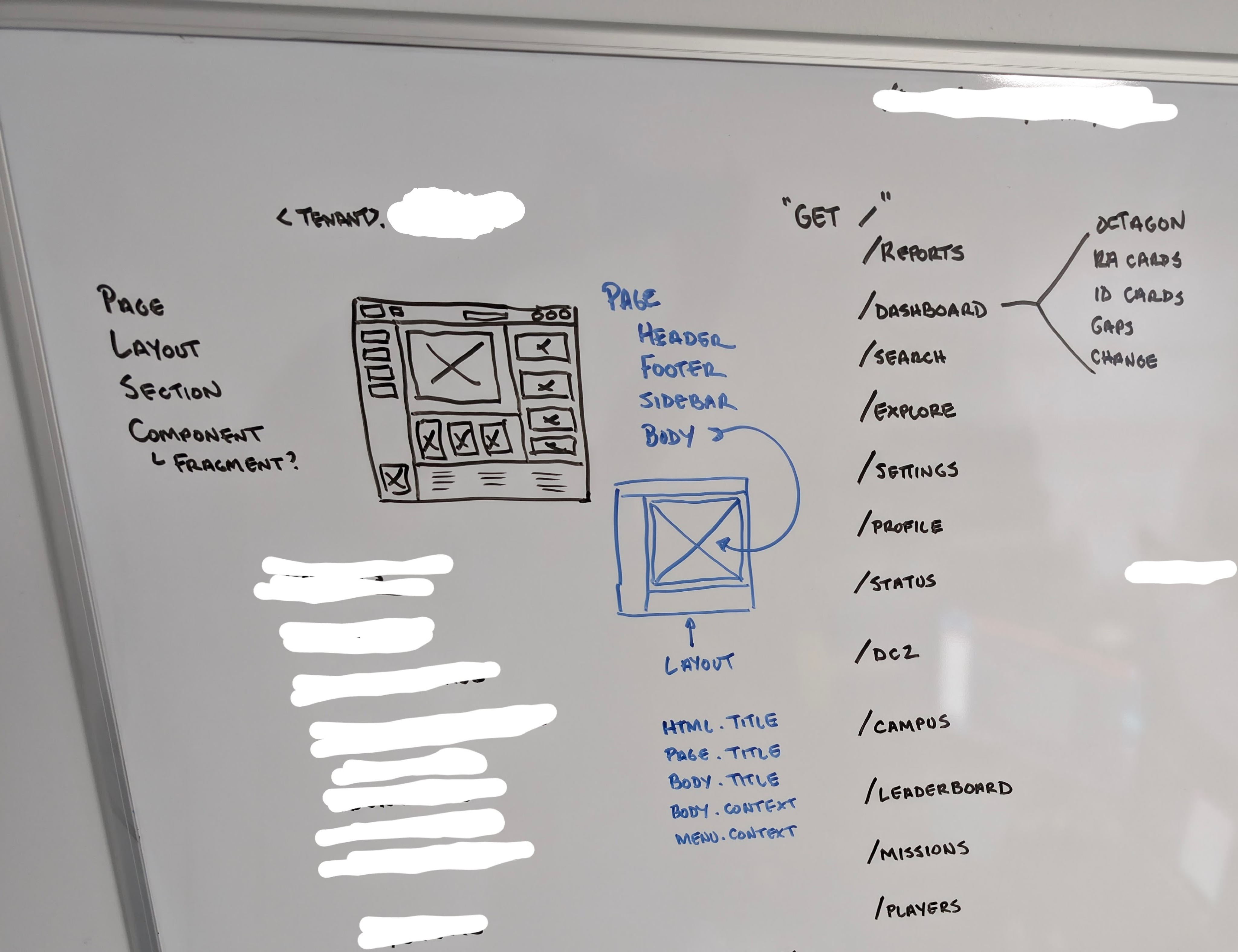
System Topology & REST Routing
This architectural foundation paved the way for our digital blueprint in Figma, guaranteeing that every security analyst, whether managing five Kubernetes clusters or fifty thousand cloud secrets, encounters a consistent, predictable spatial layout.
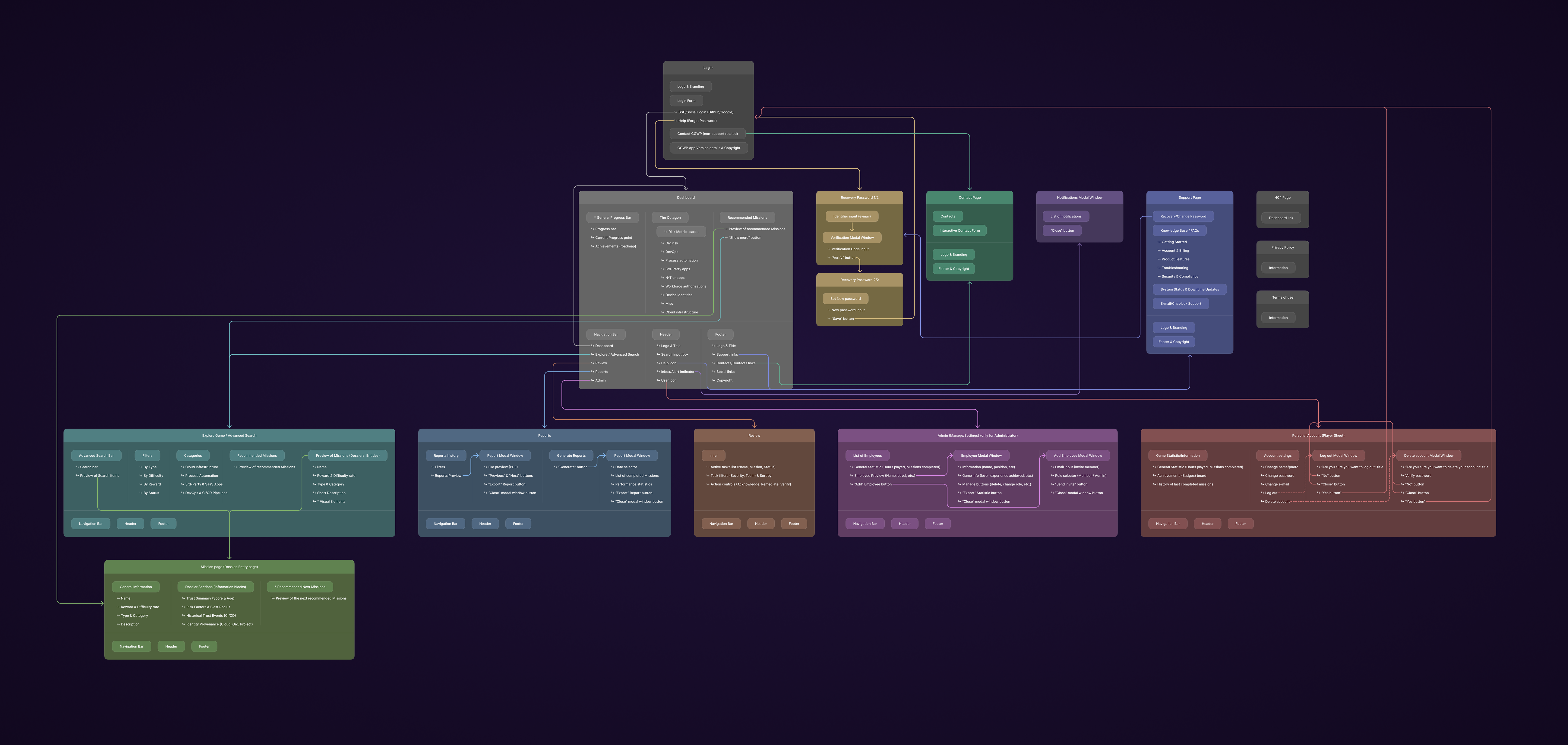
GGWP Information Architecture & System Topology
Exploration & Concept Iterations
Before converging on the final tactical Octagon HUD, I developed and tested three radically different architectural paradigms for GGWP to evaluate telemetry density against operator cognitive load:


Concept 01—Tactical Monolith
The Octagon HUD
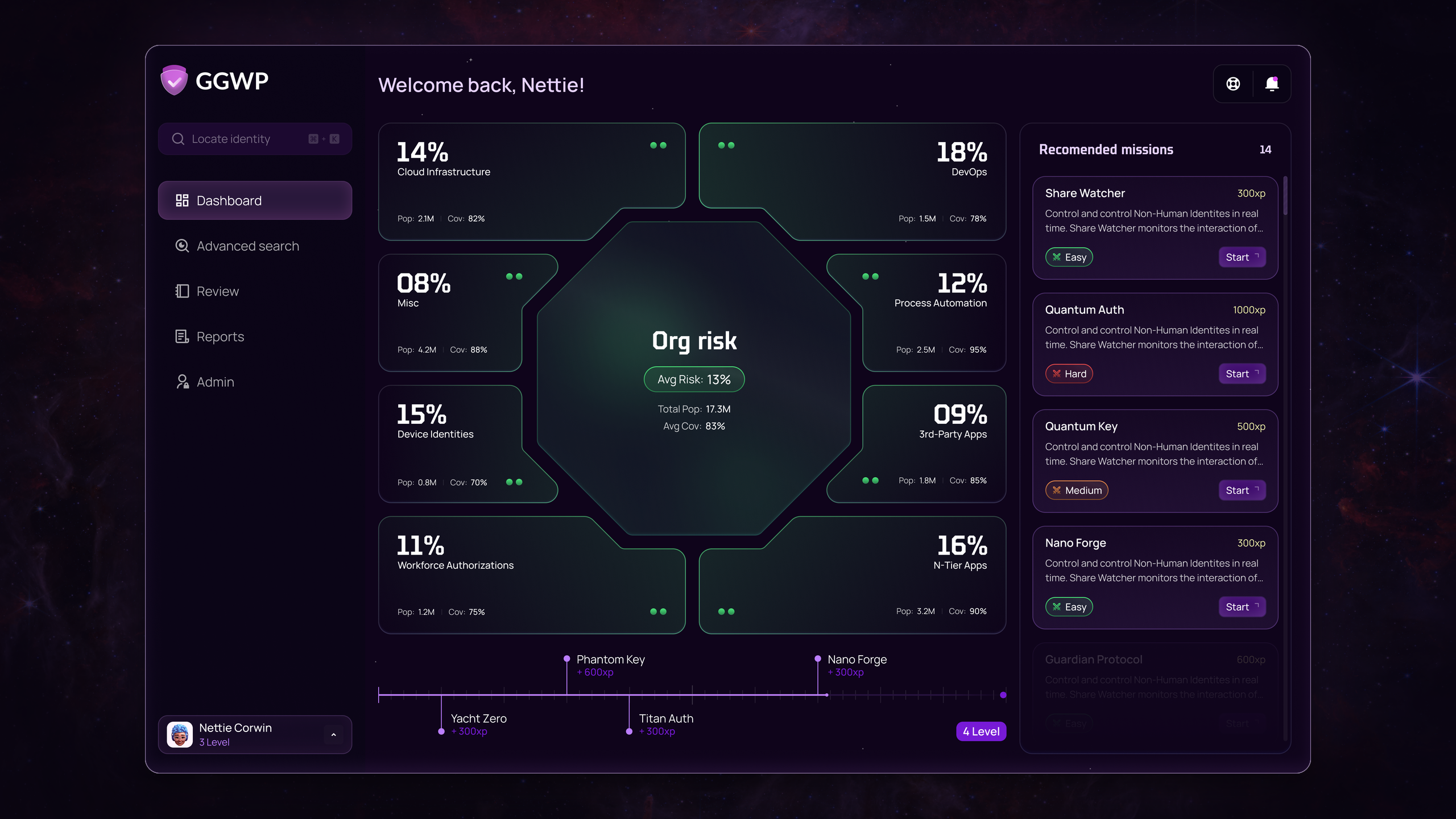
Enterprise security dashboards notoriously suffer from "dashboard fatigue": walls of identical pie charts and dense tables where critical threat signals are impossible to discern at a glance. For GGWP, we pioneered a signature visualization: the Tactical Risk Octagon.
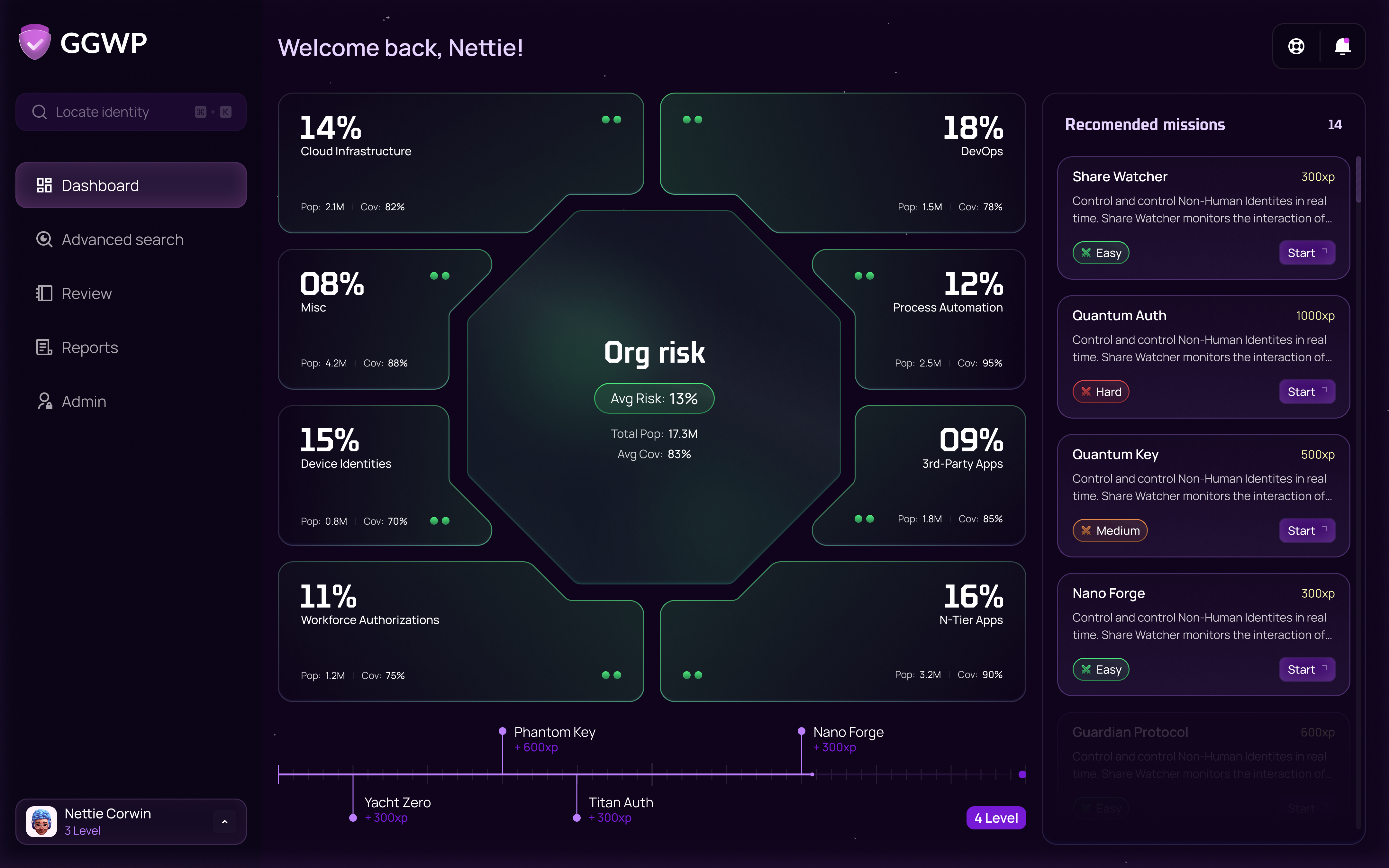
Primary SecOps command center.
The Octagon clusters millions of discrete machine credentials across an enterprise fleet into 8 core attack surfaces: Cloud Infrastructure, DevOps, Process Automation, 3rd-Party Integrations, N-Tier Applications, Workforce Authorizations, Device Identities, and Miscellaneous services. Each facet dynamically calculates real-time risk scores, identity volume, and telemetry coverage.
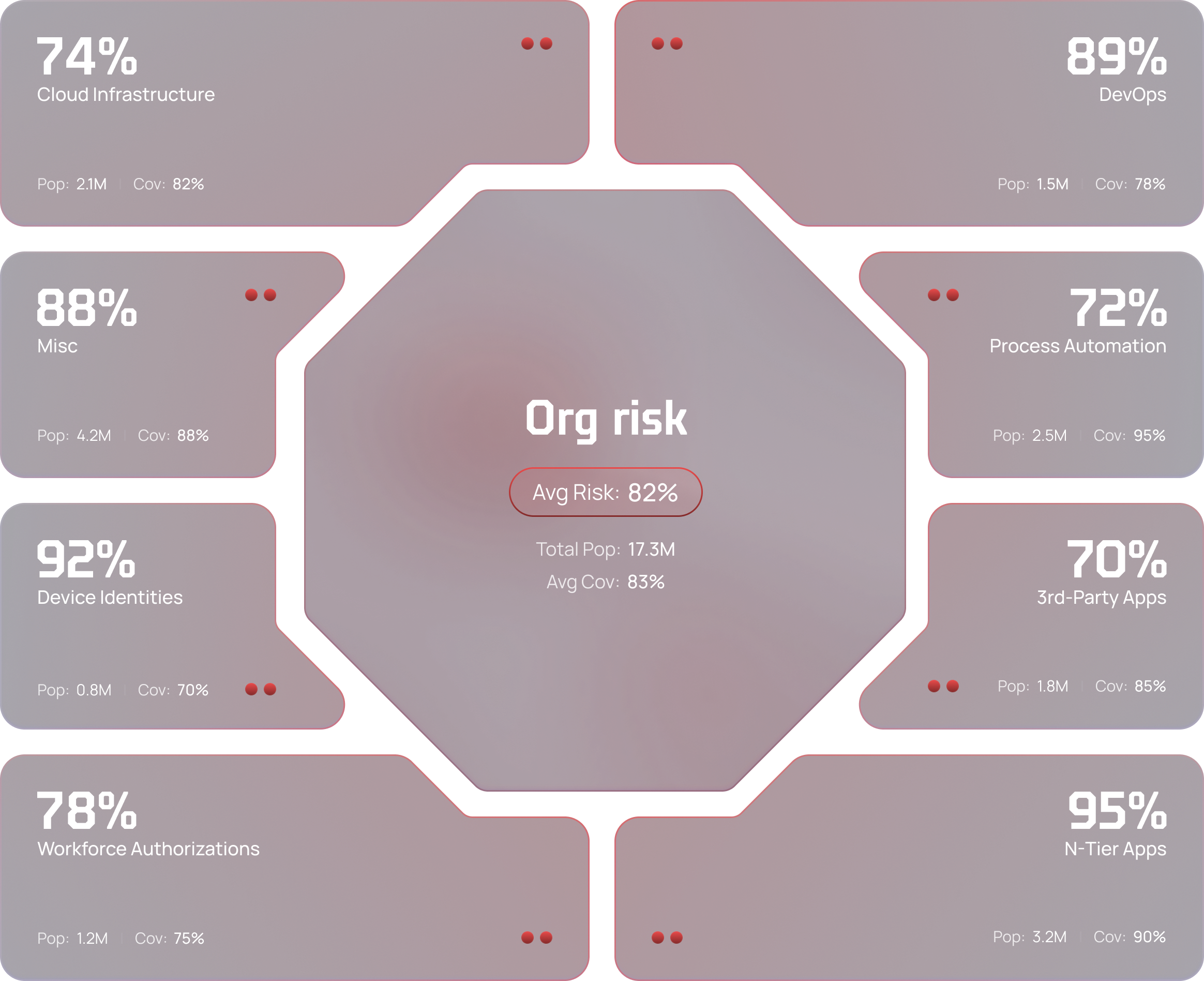
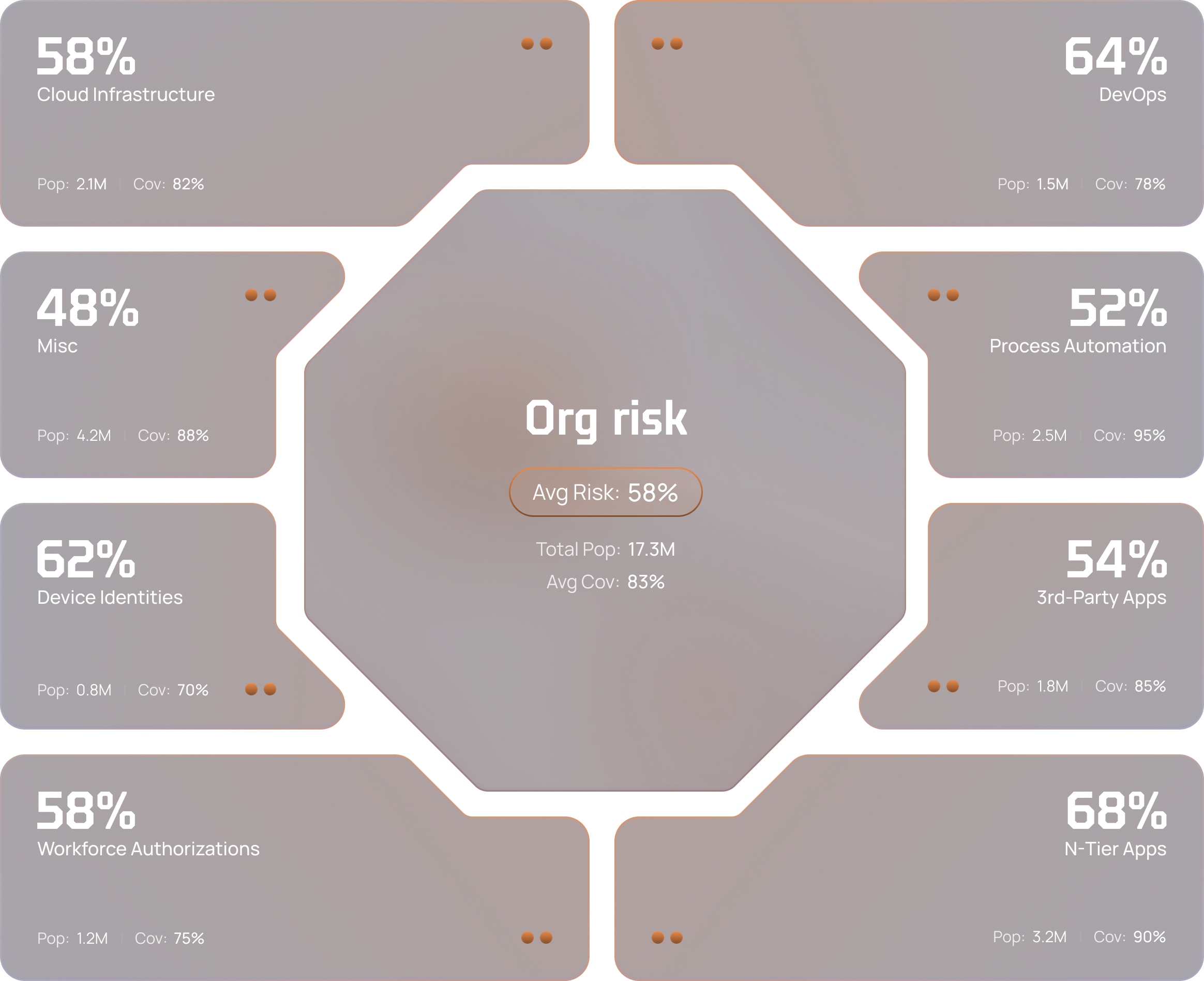
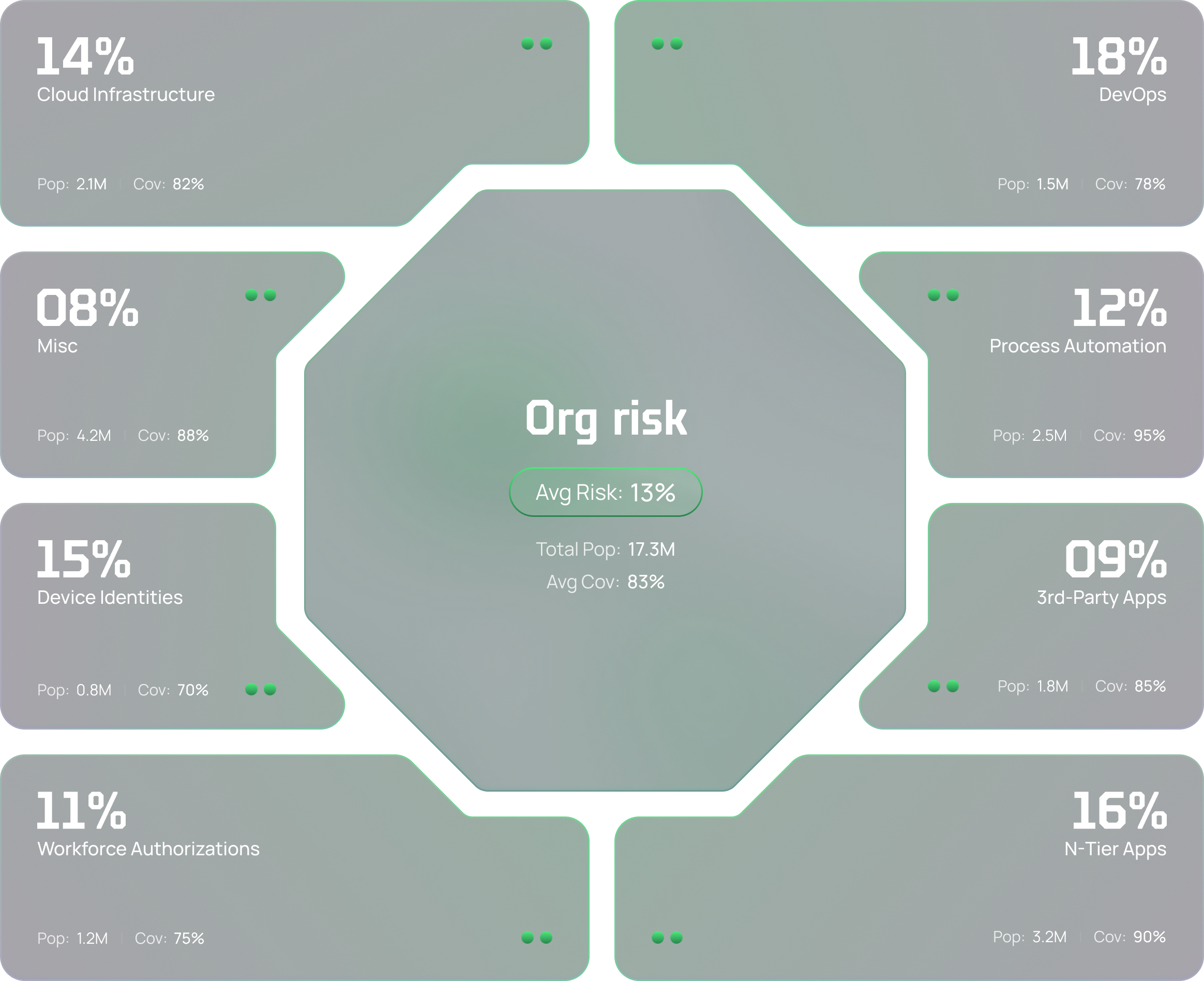
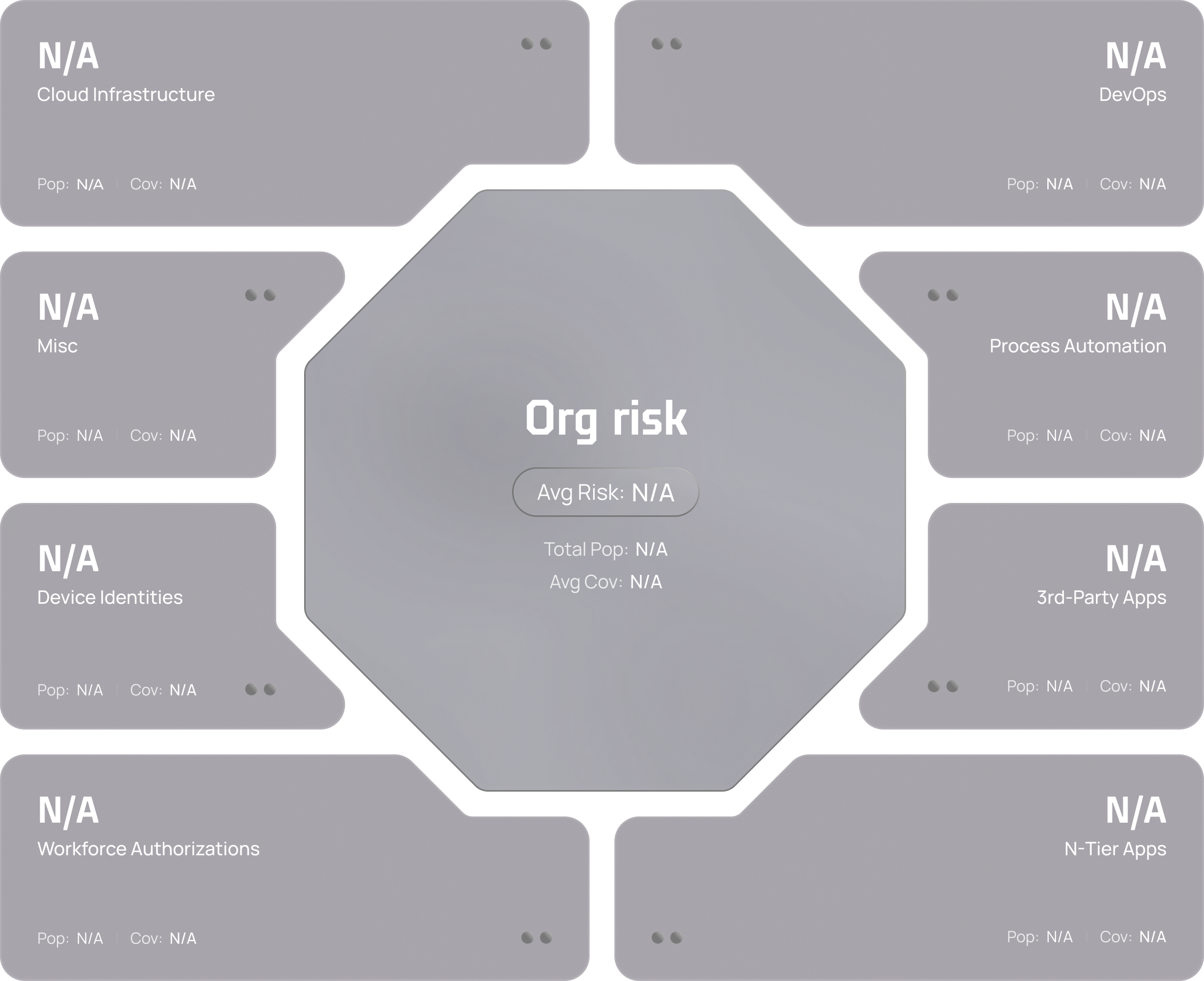
Tactical Risk Octagon — 4 dynamic telemetry states across 8 attack surfaces.
The chamfered polygon geometry provides spatial memory that tabular interfaces lack: security engineers immediately recognize elevated risk profiles in specific quadrants (e.g., N-Tier Apps at 94% risk) and can click any segment to filter directly into affected service accounts without mental friction.
Gamified Missions
Remediating security backlog items is traditionally viewed as thankless, repetitive grunt work. Analysts describe feeling trapped in an endless cycle of closing tickets only for dozens more to appear the next morning. This leads to high turnover and dangerous alert fatigue.
To counter this, we integrated an authentic RPG-inspired progression model directly into the core remediation workflow:
- Tactical Missions Queue: Rather than generic "vulnerability alerts", tasks are framed as tactical missions (e.g., Quantum Auth, Share Watcher, Titan Token Revocation).
- Difficulty & XP Economy: Missions are categorized by operational complexity (Easy, Medium, Hard) and award explicit XP (300 XP to 1,000 XP) upon verified resolution.
- Horizon Level Progression: Analysts advance their security profile from Level 1 up to Level 4 along a visual horizon progress bar, unlocking operational badges and peer recognition.
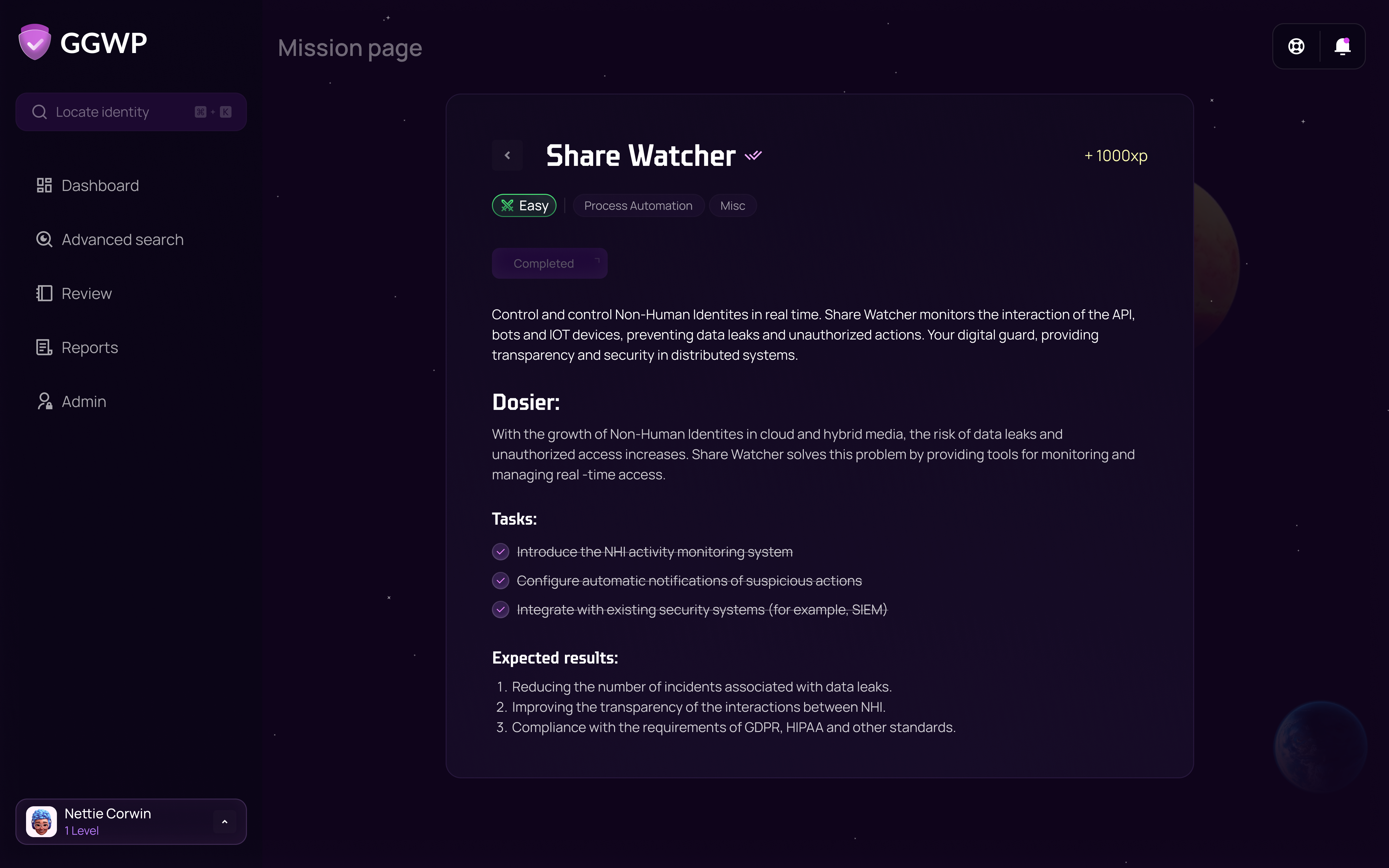
Dedicated mission detail workspace: step-by-step remediation procedures, deep links to cloud consoles, and automated verification against GDPR, HIPAA, and SOC2.
Each mission view acts as a focused runbook: analysts receive verified remediation instructions, single-click API key revocation buttons, and direct SIEM integration checks so they never have to guess whether a fix was properly applied.
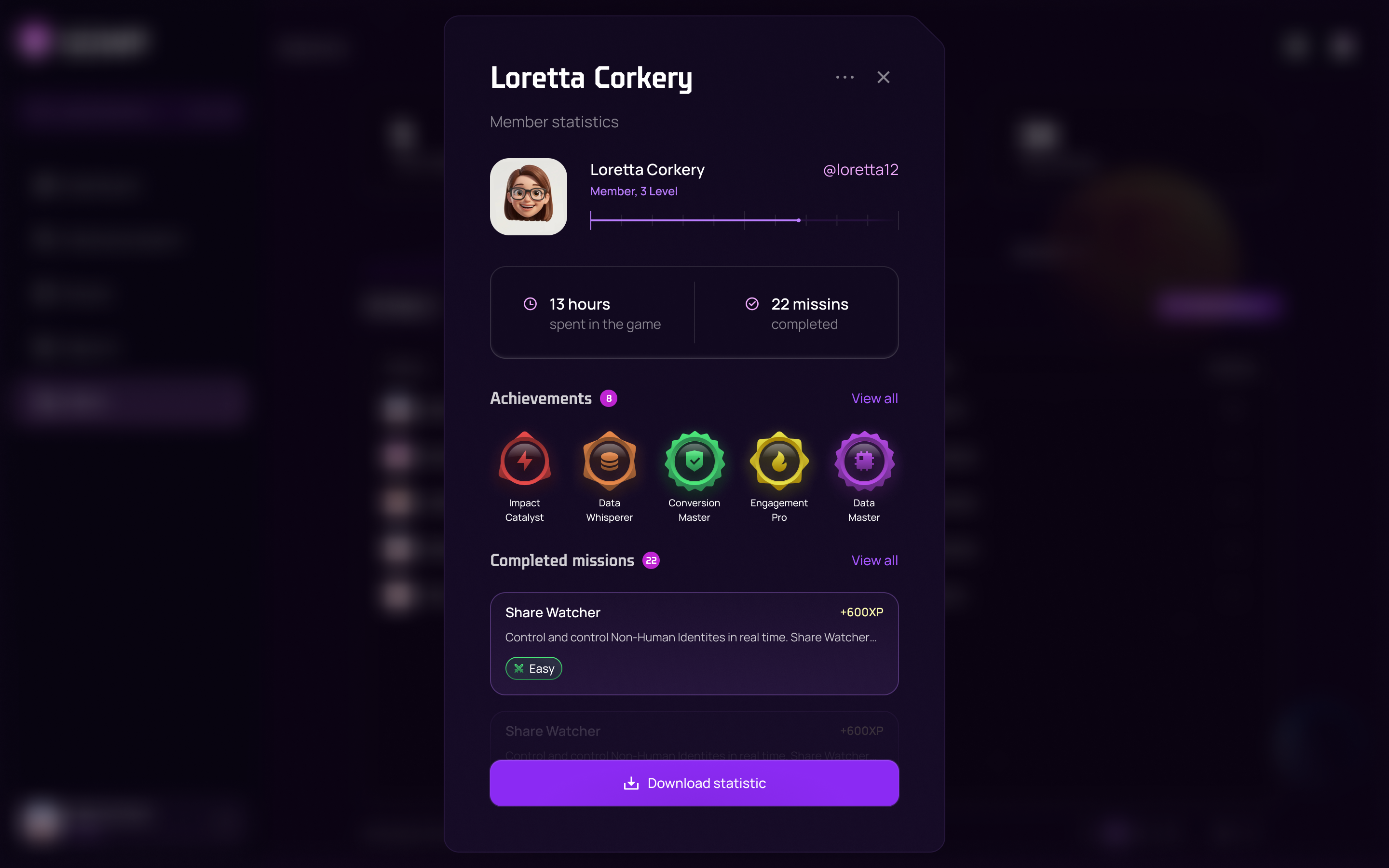
Team milestone recognition: gamified skill badges and level progression that celebrate proactive threat elimination.
Entity Dossier
When an analyst flags an anomalous machine credential, speed is everything. In traditional setups, engineers must log into AWS IAM, Google Cloud Console, GitHub Organization Settings, and Splunk just to understand who created the key, when it was last rotated, and what it has access to.
We designed the Entity Dossier to provide instant 360-degree forensic clarity in a single pane of glass:
- Dynamic Trust Score: A normalized composite score (0–1000) that factors in token age, IP variance, anomalous call volumes, and blast radius.
- Multi-Vector Threat Radar: Real-time risk modeling across four critical attack vectors: Data Breach, Ransomware Vulnerability, Extortion Likelihood, and Identity Impersonation.
- CI/CD Provenance Timeline: An immutable audit trail connecting the machine credential to its originating pipeline commit, Jira ticket (e.g., IX-12345), and authorizing engineer.
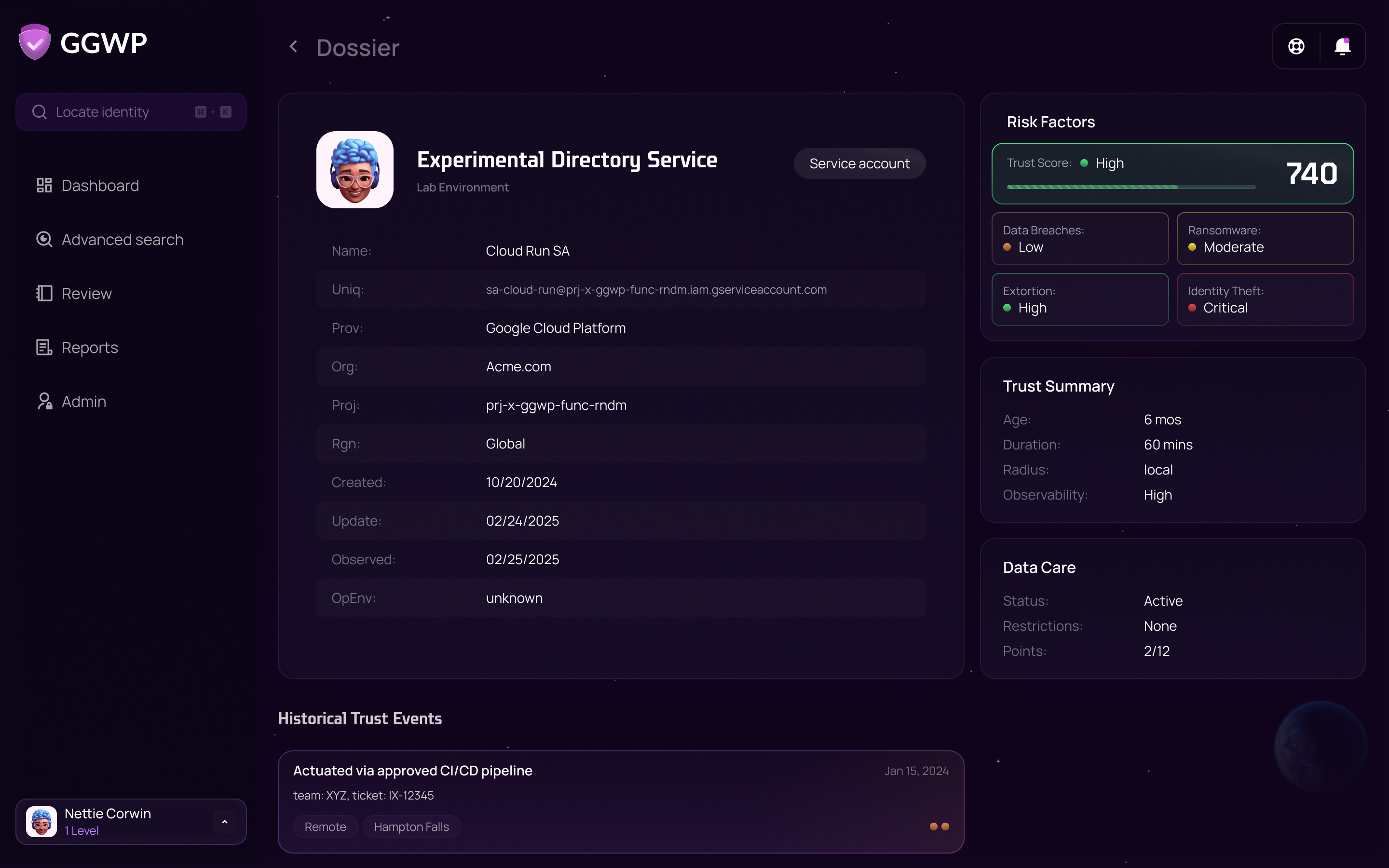
Comprehensive Entity Dossier detailing trust metrics, risk factors, and pipeline provenance for a Google Cloud service account.
Advanced Search
Enterprise environments harbor hundreds of thousands of active secrets across multiple regions. To make investigation seamless, we engineered an Advanced Search Matrix with dual exploration modes:
- Entity Mode: Query across service accounts, OAuth client IDs, SSH keys, and serverless compute identities with real-time attribute filtering.
- Mission Mode: Filter open remediation missions by severity (Low, Medium, High, Critical), compliance framework, or assigned analyst squad.
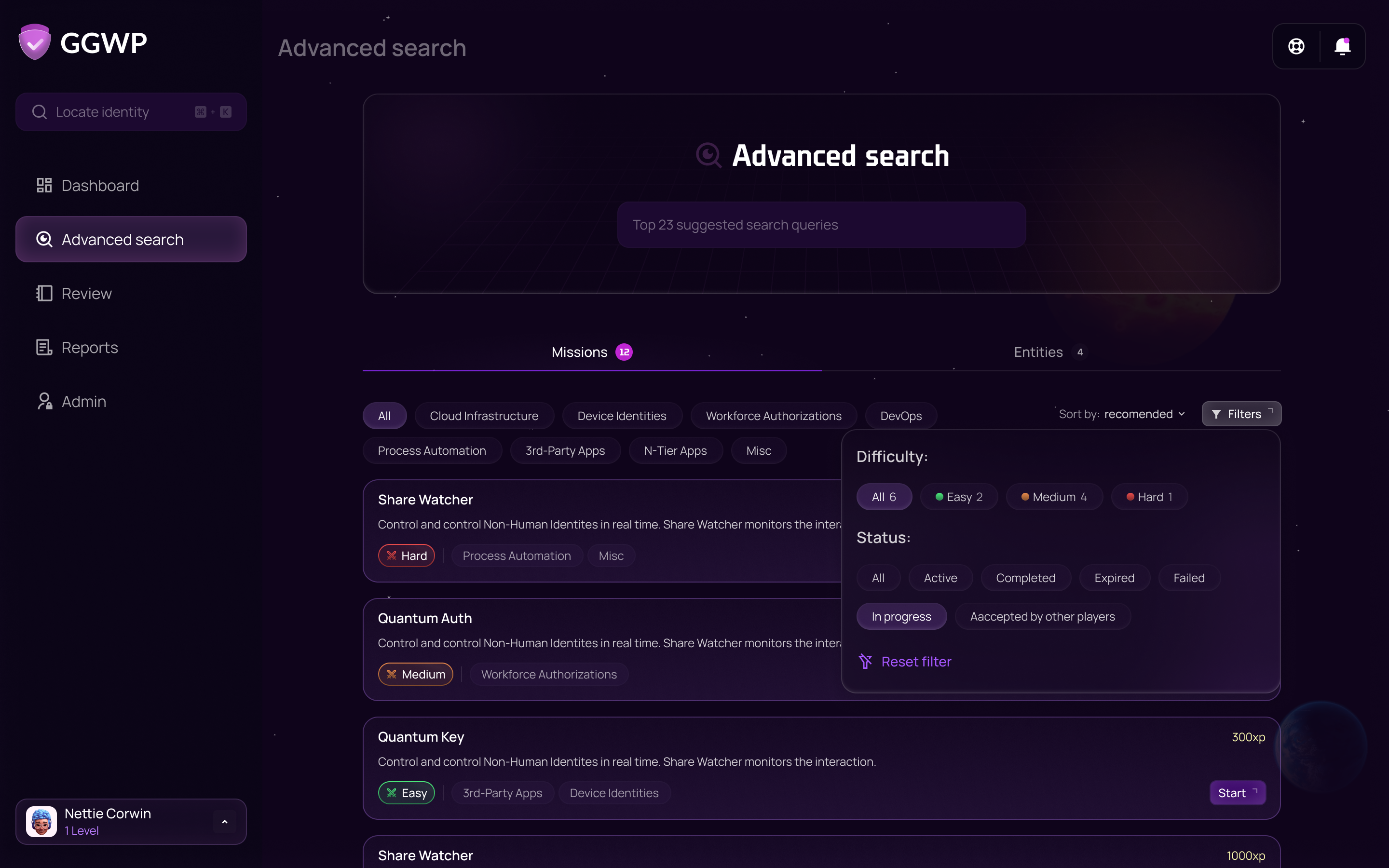
Dual-mode search matrix supporting compound tag queries, environment scoping (AWS, GCP, Azure, K8s), and risk thresholds.
Governance & Security
While tactical remediation happens on the front lines, leadership and audit teams require macro-level visibility and uncompromising access control. We designed dedicated modules for Compliance Reporting, RBAC Squad Governance, and Zero-Trust Account Defense.
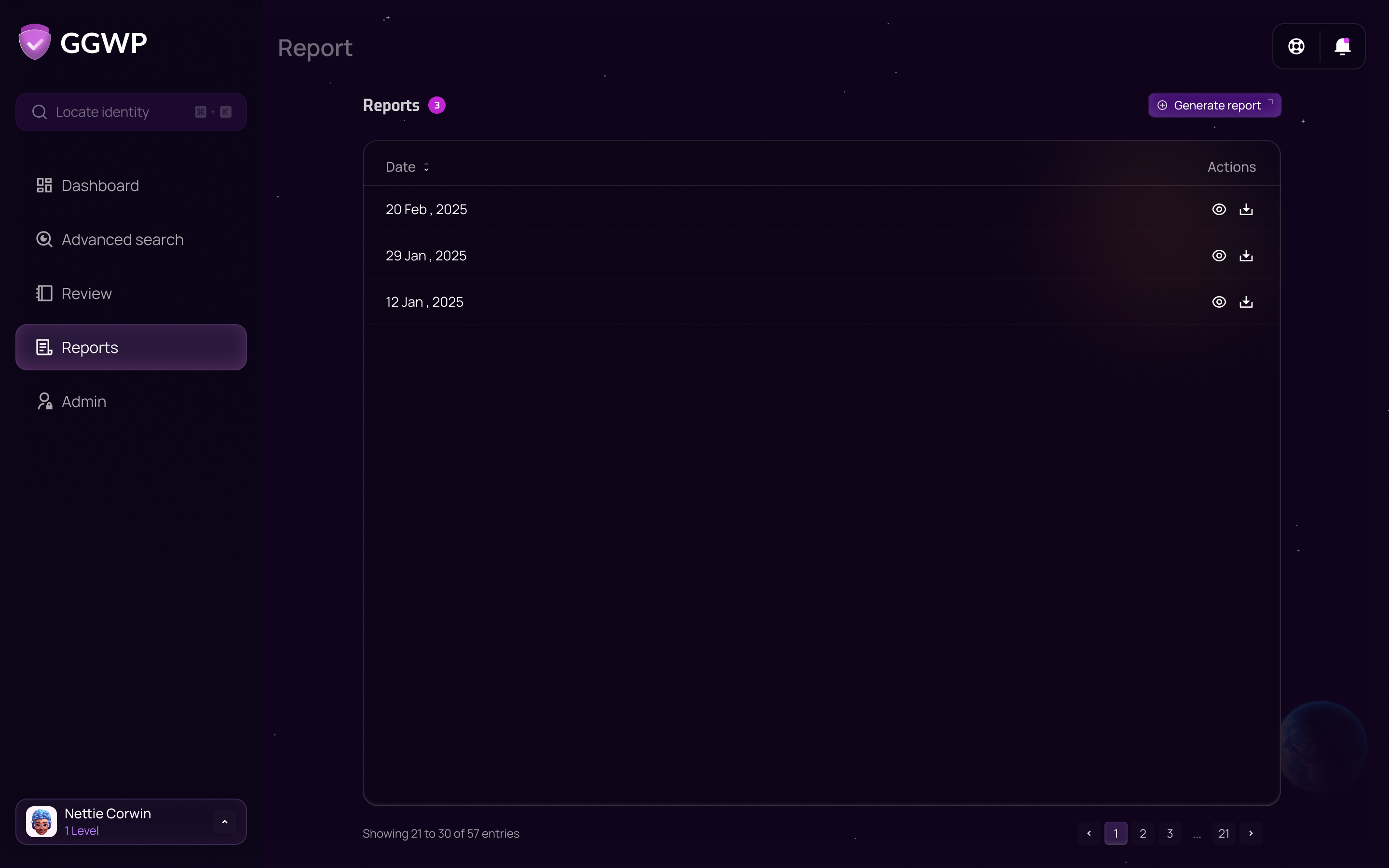
Compliance & Audit Reports
Automated framework mapping for SOC2 Type II, HIPAA, ISO 27001, and GDPR with one-click board-ready PDF exports.
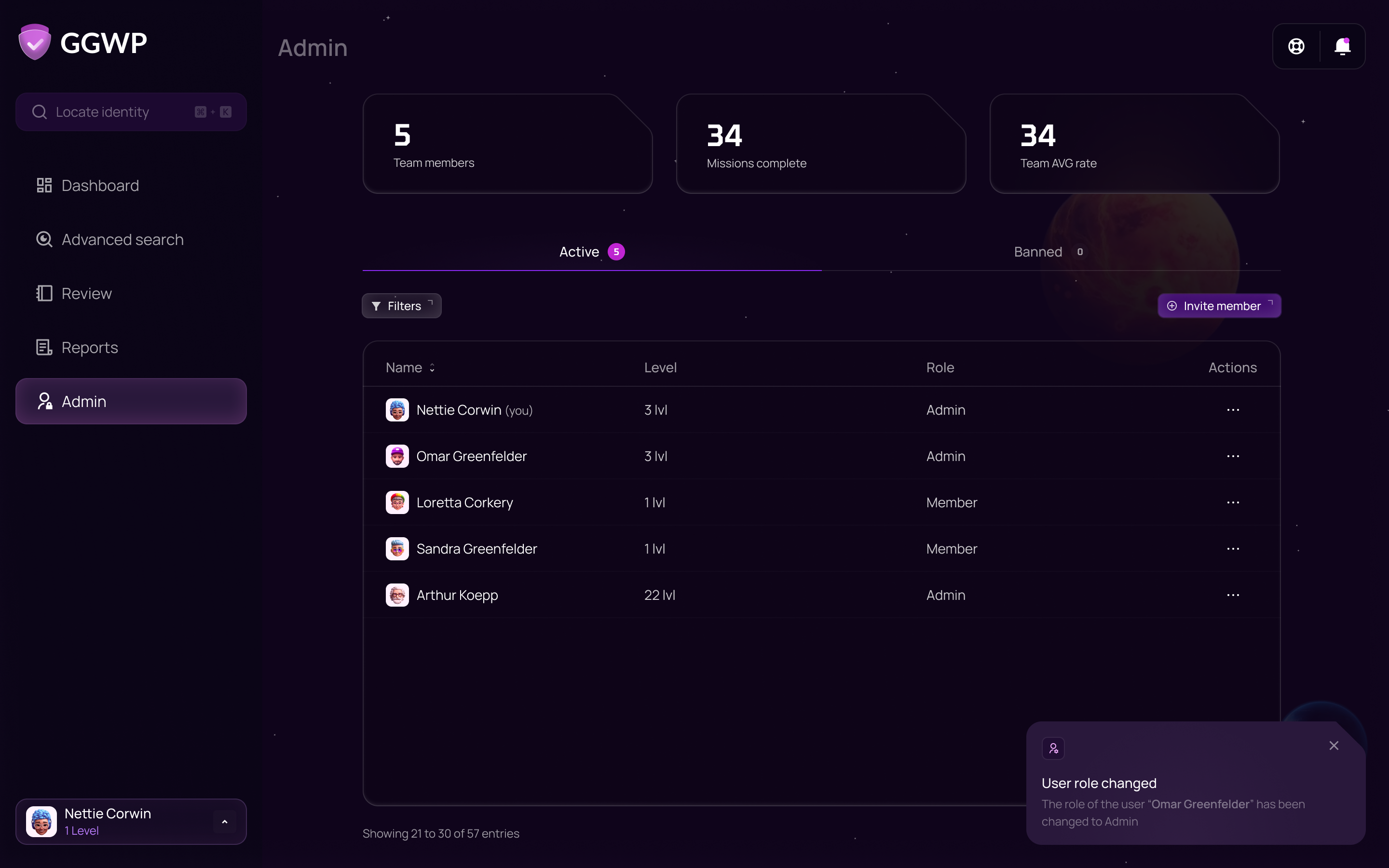
Access Control & Administration
Granular Role-Based Access Control (RBAC), multi-tenant squad management, session revocation, and non-blocking toast confirmations.
Zero-Trust Authentication & Recovery
Because administrators possess root-level authorization to revoke enterprise machine credentials, securing analyst accounts against session hijacking is paramount. We architected a guided two-factor authentication (2FA) flow optimized for security compliance and incident resilience:
- Authenticator QR Pairing: High-contrast QR onboarding with 32-character manual key fallback and direct links to supported TOTP authenticator apps.
- Time-Based Authenticator Verification: Seamless integration with Google Authenticator and enterprise TOTP apps with auto-formatted 6-digit input ergonomics.
- Offline Disaster Recovery: A persistent set of cryptographic backup codes with one-tap print and download actions, ensuring critical incident responders are never locked out during midnight system failures.
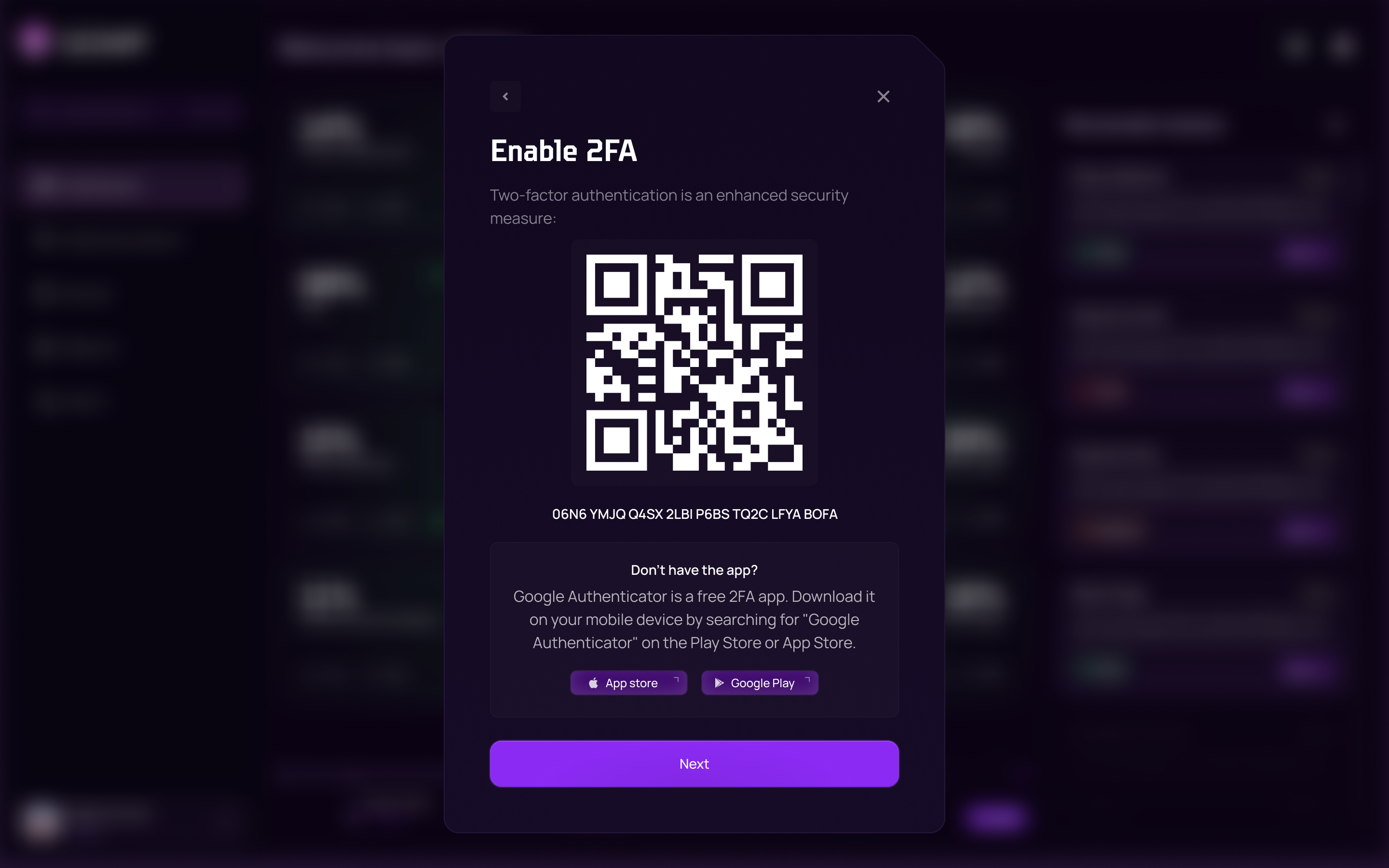
Step 1: Authenticator Pairing
Guided setup with instant camera QR scanning, copyable 32-character secret key fallback, and direct store links.
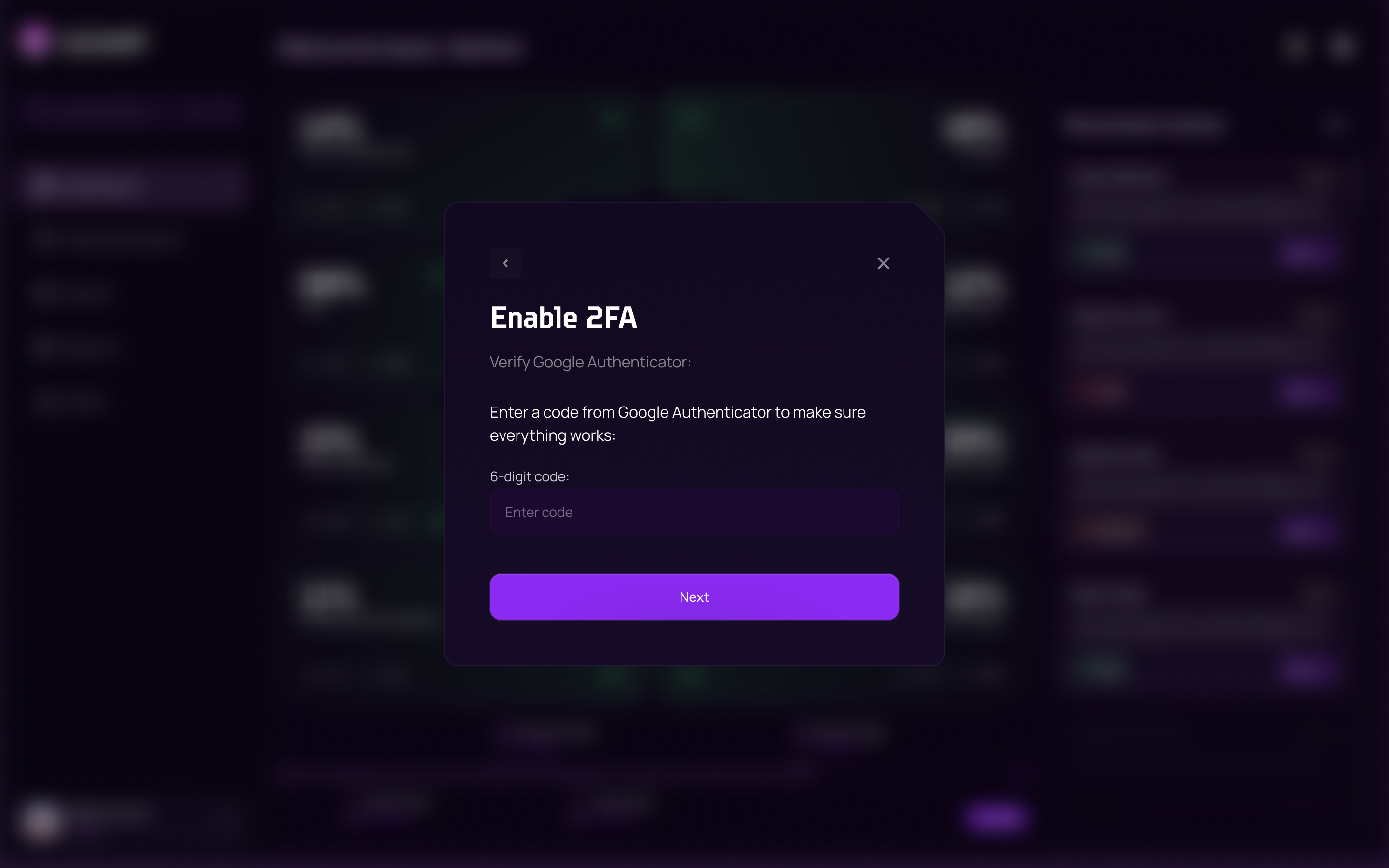
Step 2: TOTP Verification
Focused modal with clean typographic hierarchy, dedicated numpad input ergonomics, and instant error validation.
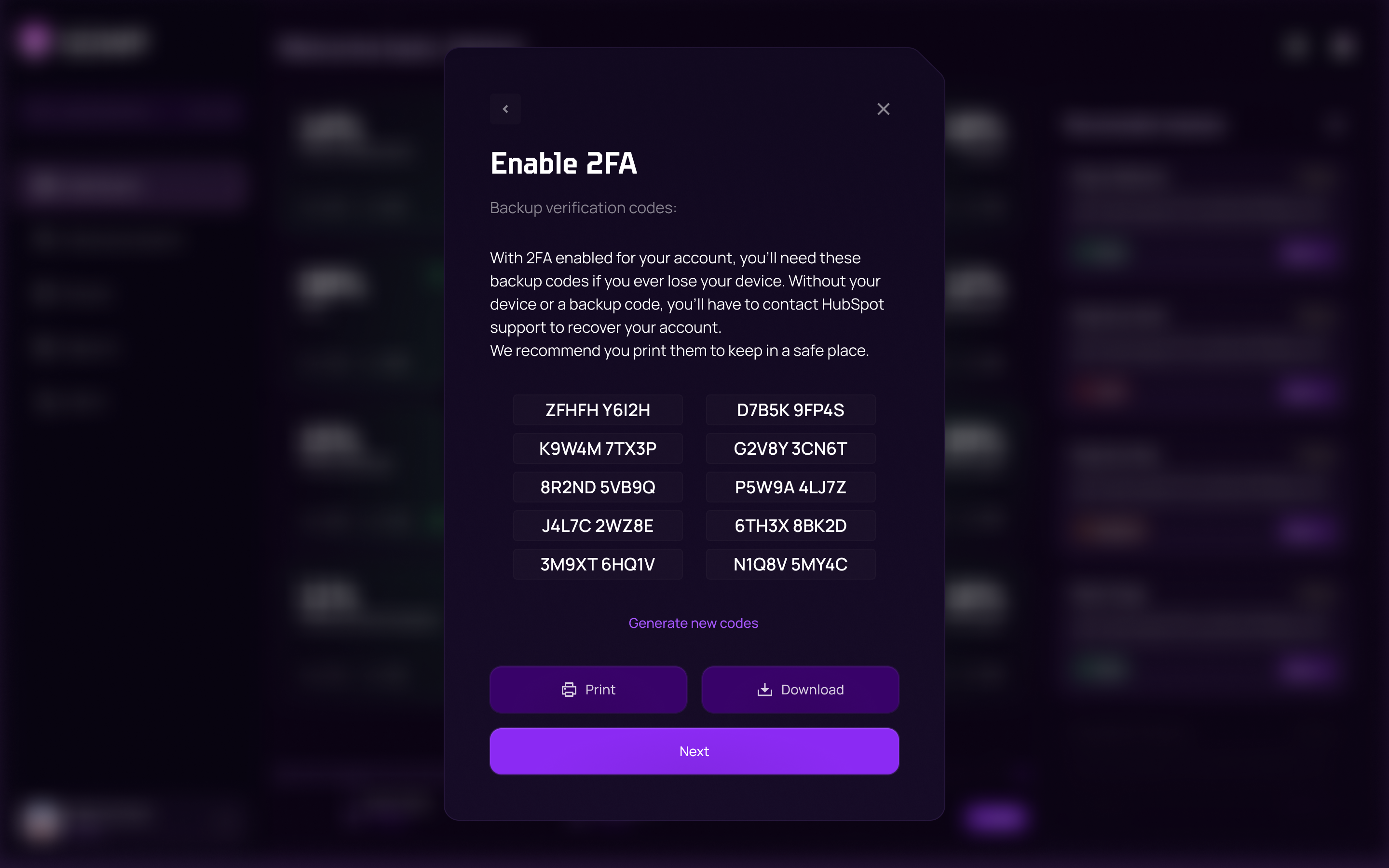
Step 3: Disaster Recovery Codes
Encrypted emergency recovery code matrix with single-click print, download, and immediate regeneration capability.
Ecosystem & Communications
Enterprise maturity is reflected in how thoughtfully a platform extends beyond the primary web console. We engineered a cohesive ecosystem covering self-serve knowledge discovery, regulatory transparency, and branded transactional communications:
- Self-Serve Knowledge Hub: Modular access cards (Platform Access, Knowledge Base, Security Assurance) that reduce onboarding friction and deflect tier-1 IT support inquiries.
- Compliance & Legal Documentation: Structured long-form legal views (Privacy Policy, SOC2 assurances, GDPR frameworks) equipped with an interactive sticky Table of Contents rail for rapid clause auditing.
- Lifecycle & Transactional Emails: Dark-mode email templates (team invitations, disaster recovery codes) extending tactical branding and clear calls-to-action directly into the analyst's inbox.
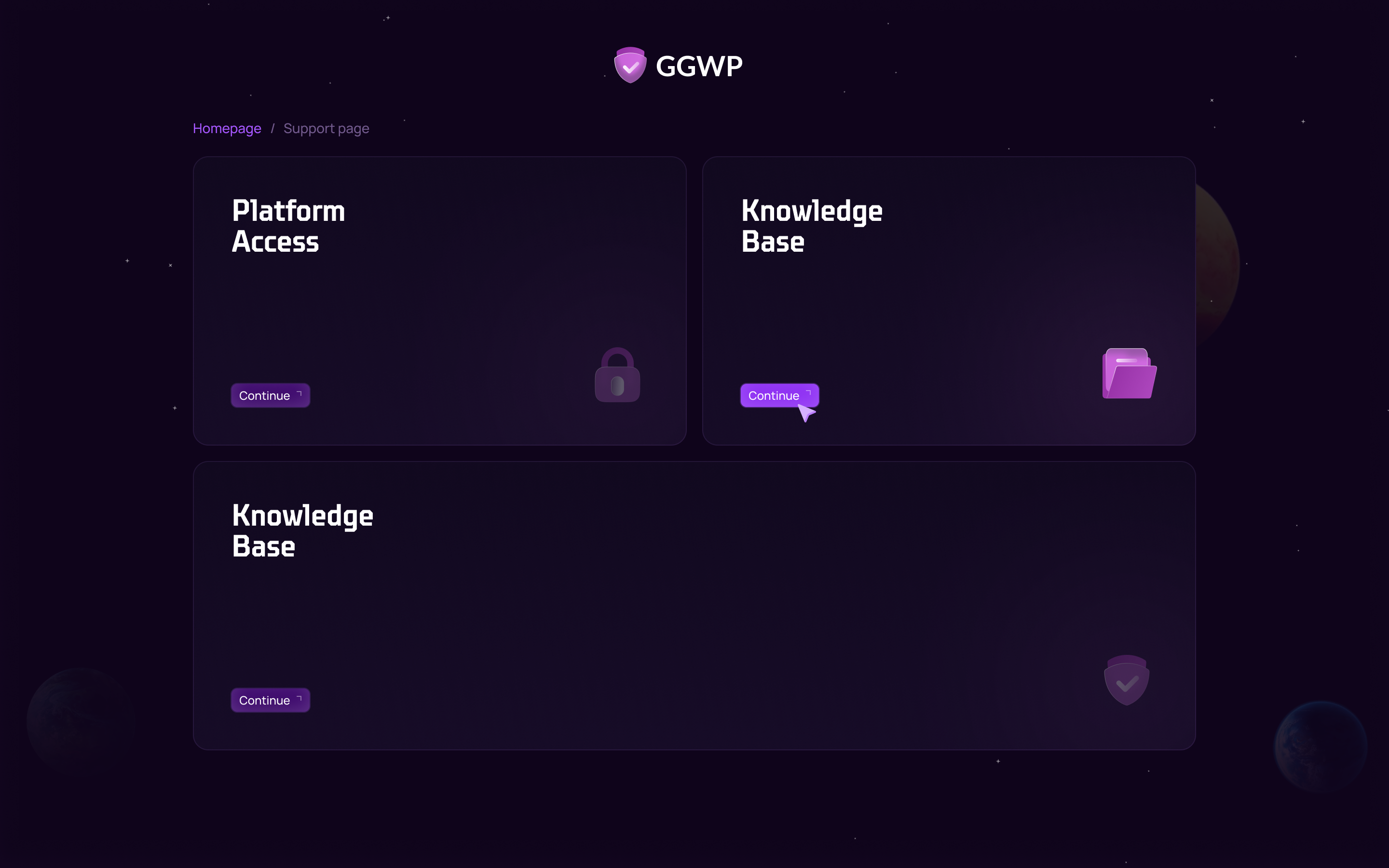
Enterprise Support & Knowledge Hub
Tri-segmented resource portal providing direct access to runbooks, enterprise SLA guidelines, and compliance documentation.
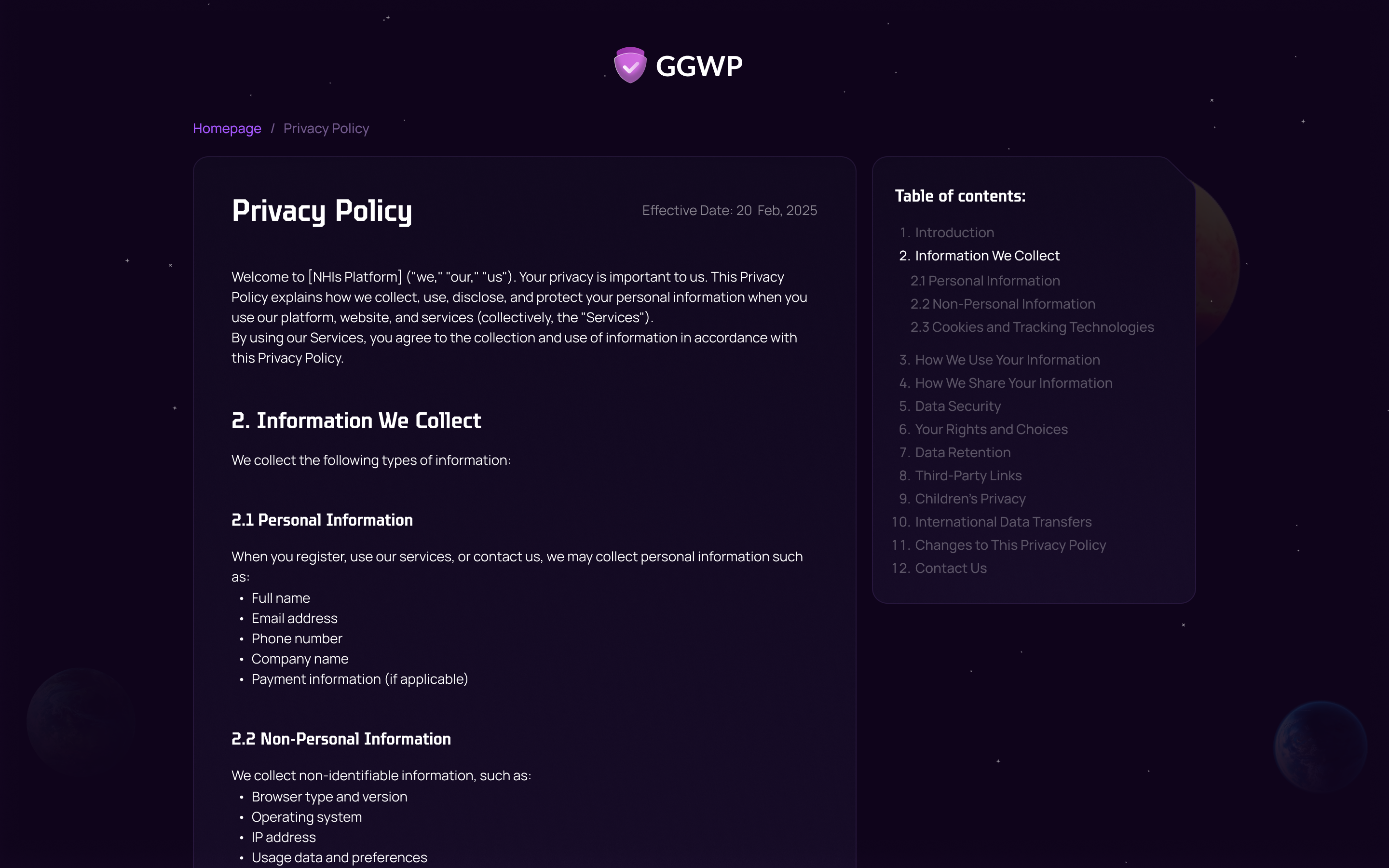
Legal & Regulatory Documentation
High-readability document layout with active section tracking, breadcrumb hierarchy, and fast jump links for compliance officers.

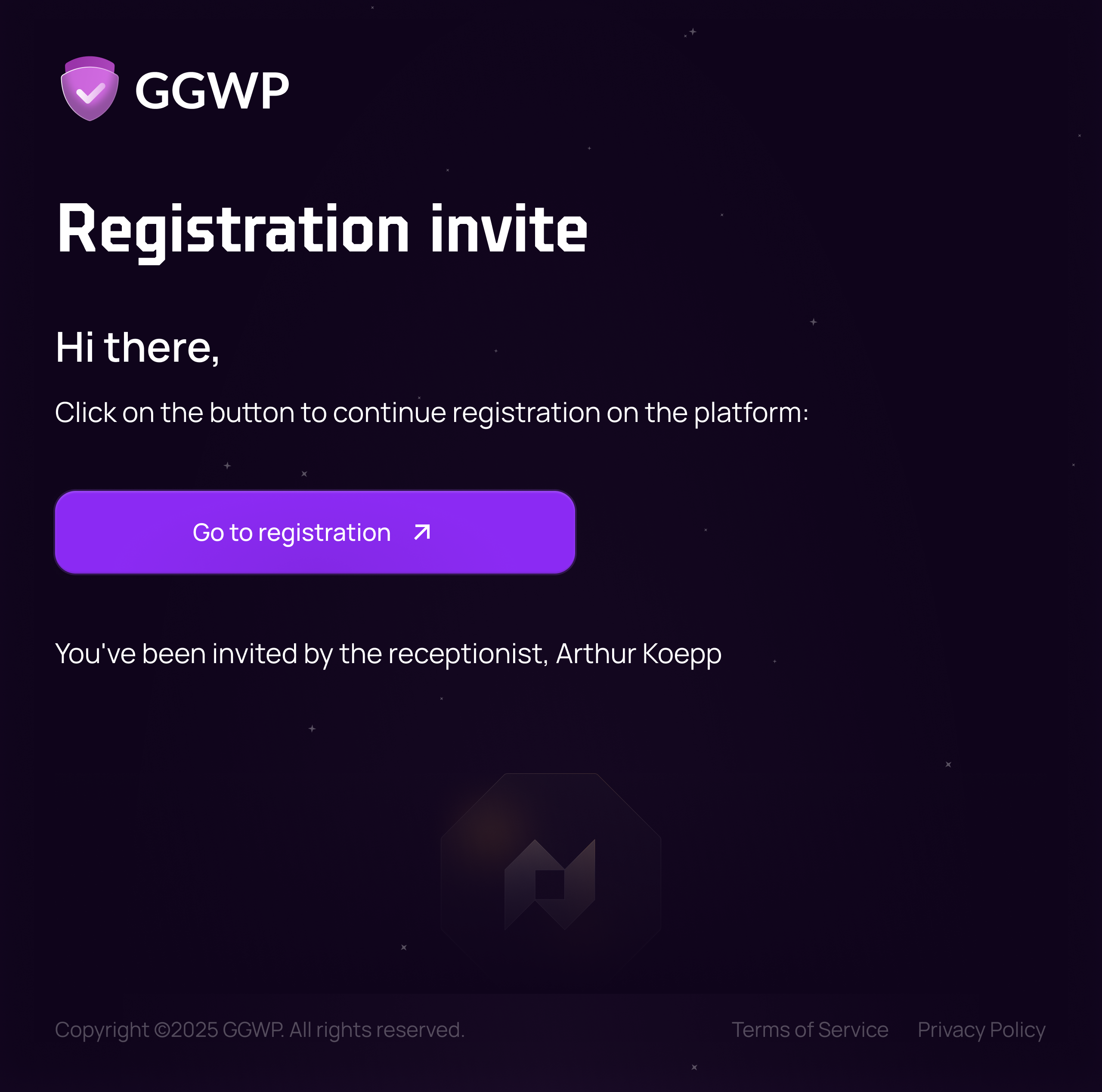
Registration & Onboarding Invite
Streamlined enterprise invitation flow with inviter attribution, workspace context, and direct single-click credential setup.
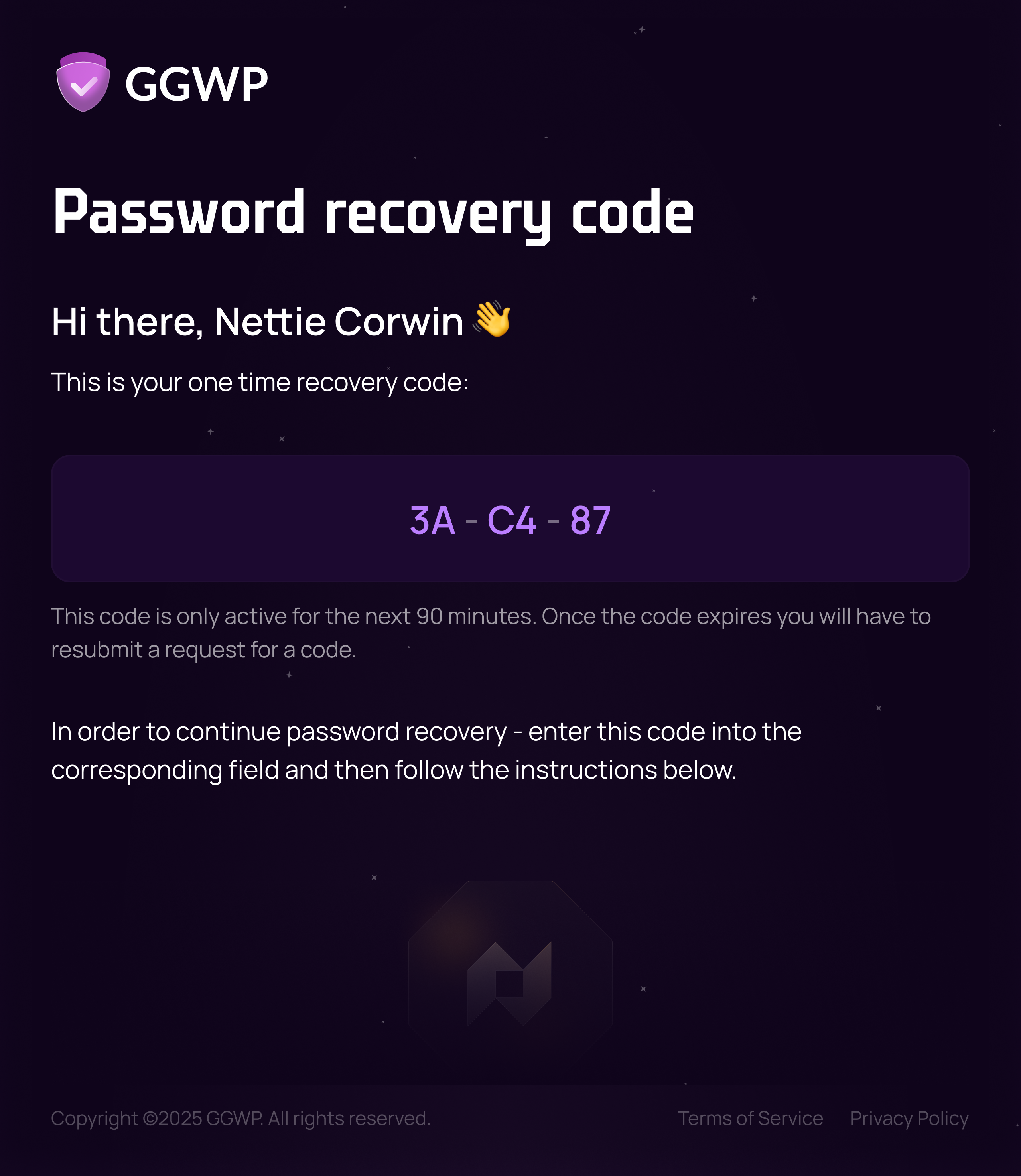
Security Verification & Password Recovery
Time-limited disaster recovery token with high-contrast alphanumeric formatting, expiration warning, and secondary recovery guidance.
Mobile Experience
Cybersecurity threats don't wait for analysts to sit at their workstations. Critical compromise signals often trigger in the middle of the night. If an on-call security engineer cannot immediately triage an alert, evaluate entity blast radius, and execute a credential revocation from their phone, breach damage multiplies exponentially.
We designed a dedicated, native-grade mobile experience across the entire feature suite:
- Tactical HUD Telemetry: Reflowed the 8-axis risk Octagon into an ergonomic single-thumb stack with instant organization risk posture without horizontal scrolling.
- Entity Blast Radius: Pinned critical threat factors (Ransomware, Extortion, Data Breaches) and cloud permission scopes directly above the fold.
- Remediation Runbooks: Step-by-step mitigation procedures with verified SIEM checks and 1-tap API key rotation.
- Zero-Trust Session Lockdown: Emergency credential revocation and rogue account quarantine with non-blocking toast confirmations.
Detection & Threat Forensics
When an on-call analyst receives a critical severity alert at 3 AM, they need to verify organizational exposure in seconds. The mobile HUD reflows the 8-axis Octagon into an easily scannable list, while the Entity Dossier preserves complete forensic depth:

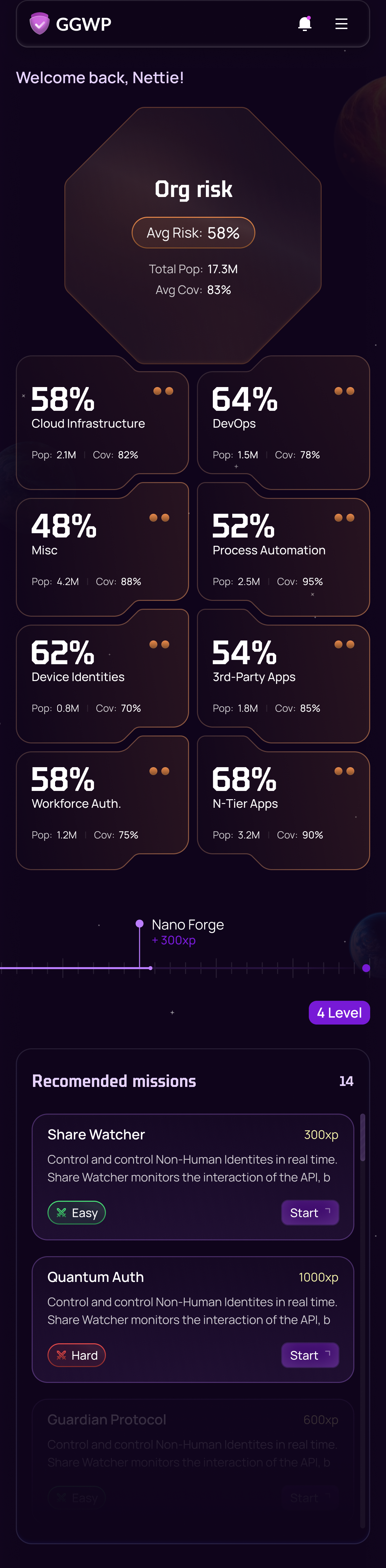
Mobile Tactical HUD
Unified organization risk score and attack surface reflow adapted for single-thumb scanning.
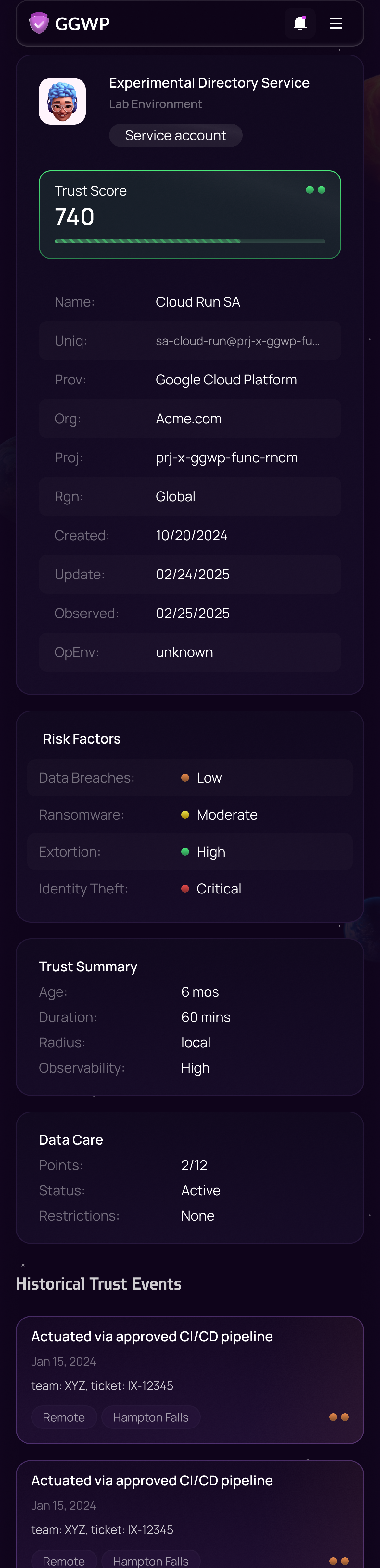
Entity Blast Radius
Compromise indicators, trust score, and cloud permission scope preserved above the fold.
Remediation & Incident Containment
Remediation is broken down into structured, verifiable tasks. If a compromised credential requires emergency quarantine, administrators can revoke tokens and ban rogue sessions directly with non-blocking audit feedback:
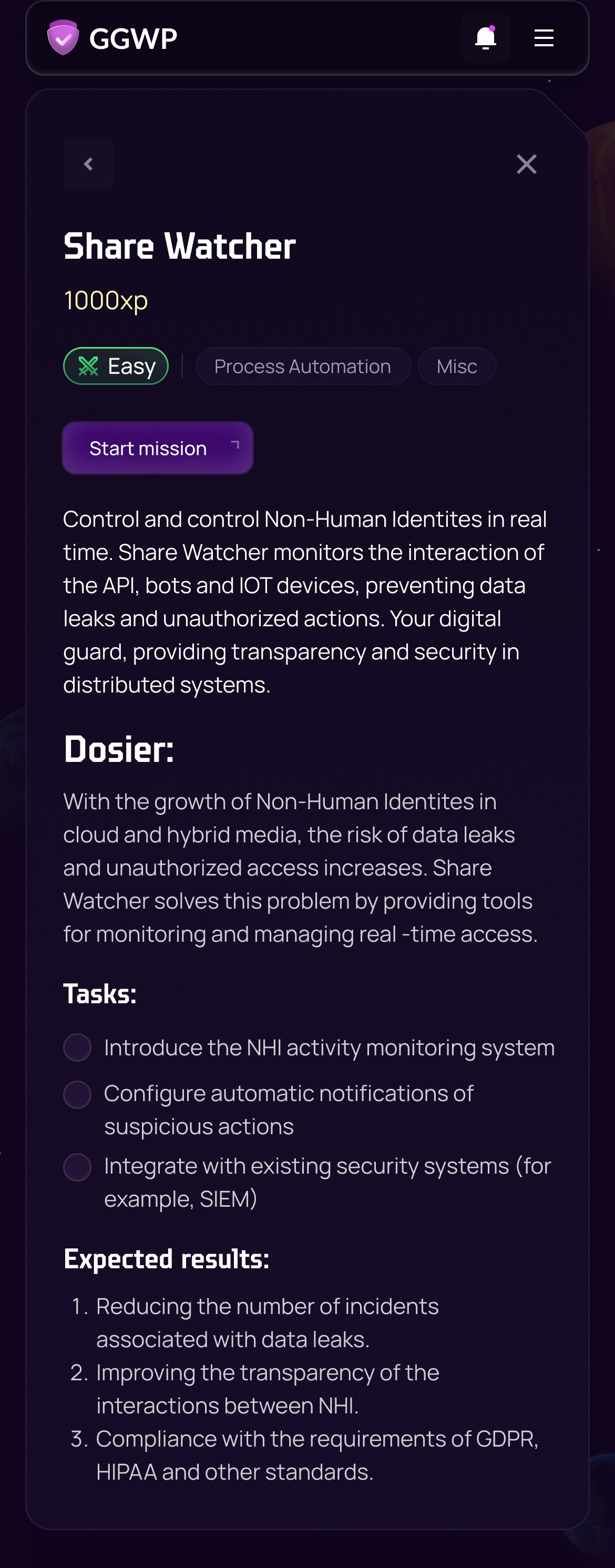
Remediation Runbook
Step-by-step mitigation procedures, remediation tasks, and real-time SIEM integration checks.
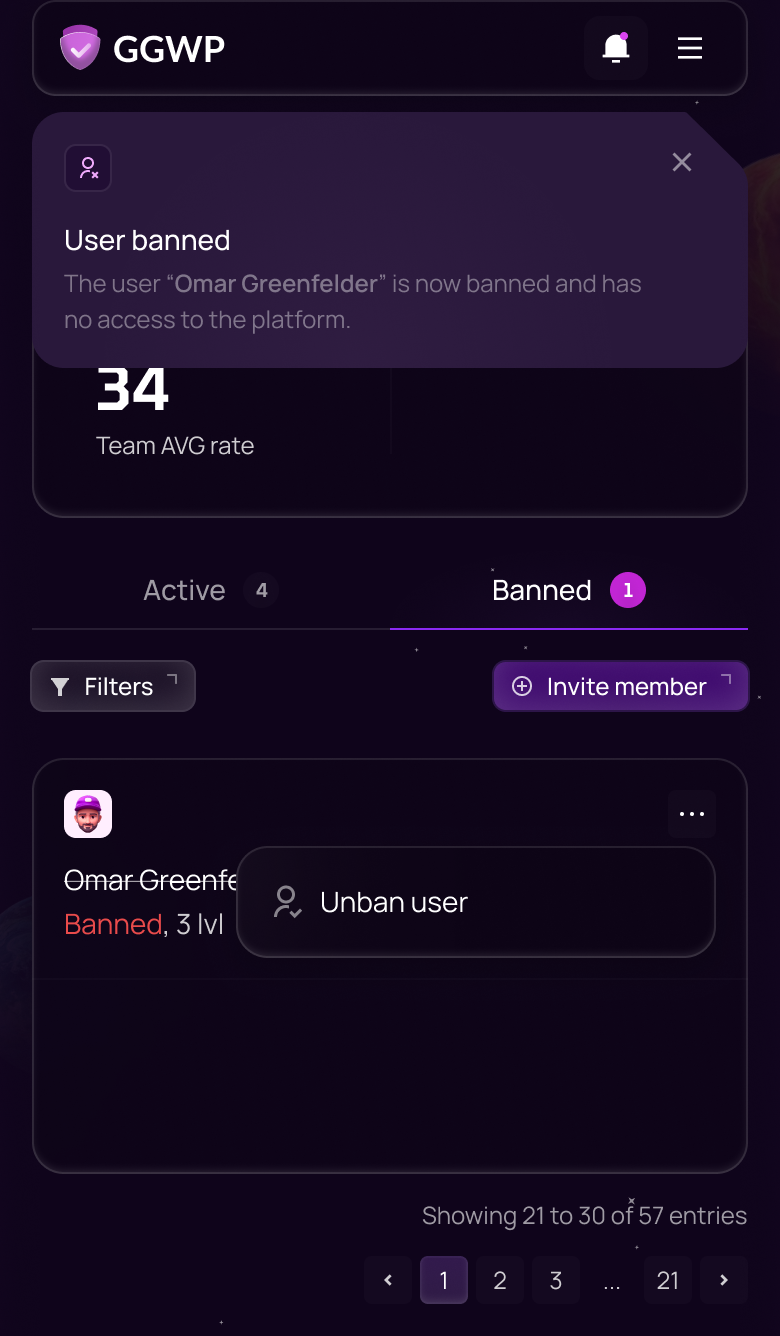
Session Quarantine & Toast
Single-tap credential revocation and session kill with non-blocking toast confirmation.
Design System
To ensure flawless consistency across more than 70 production views, I architected a comprehensive Dark Cyber / Tactical HUD design system in Figma. Cybersecurity tools are often used in dimly lit SOC environments for 10-12 hours at a time; the system was engineered to minimize optical fatigue while guaranteeing strict WCAG AAA contrast ratios.
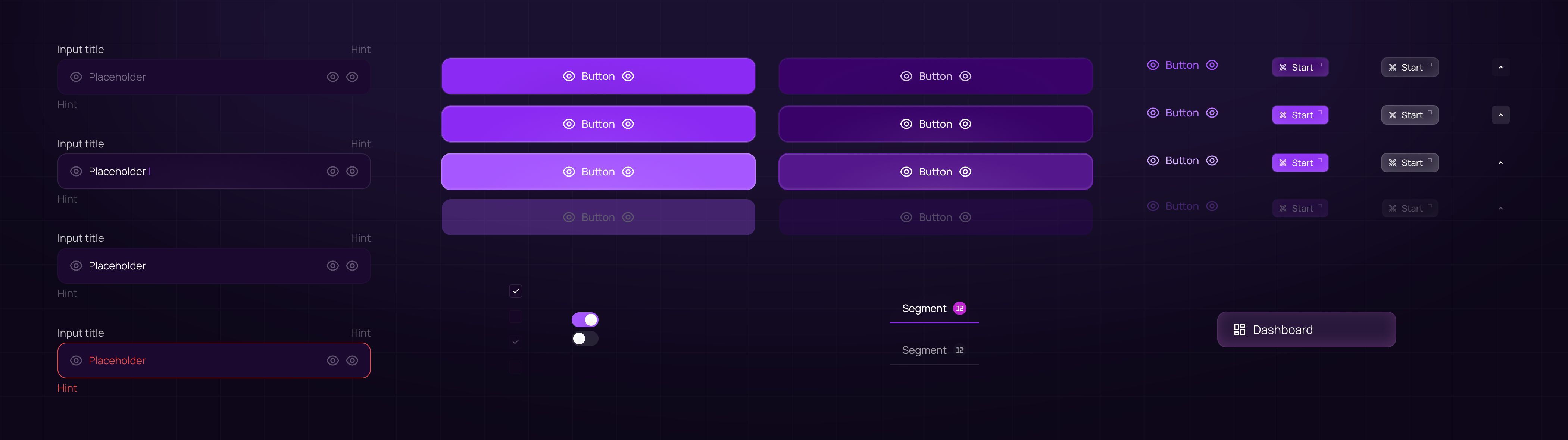
Atomic Form Controls: High-density inputs, segmented switches, dropdown menus, and tactical action buttons.
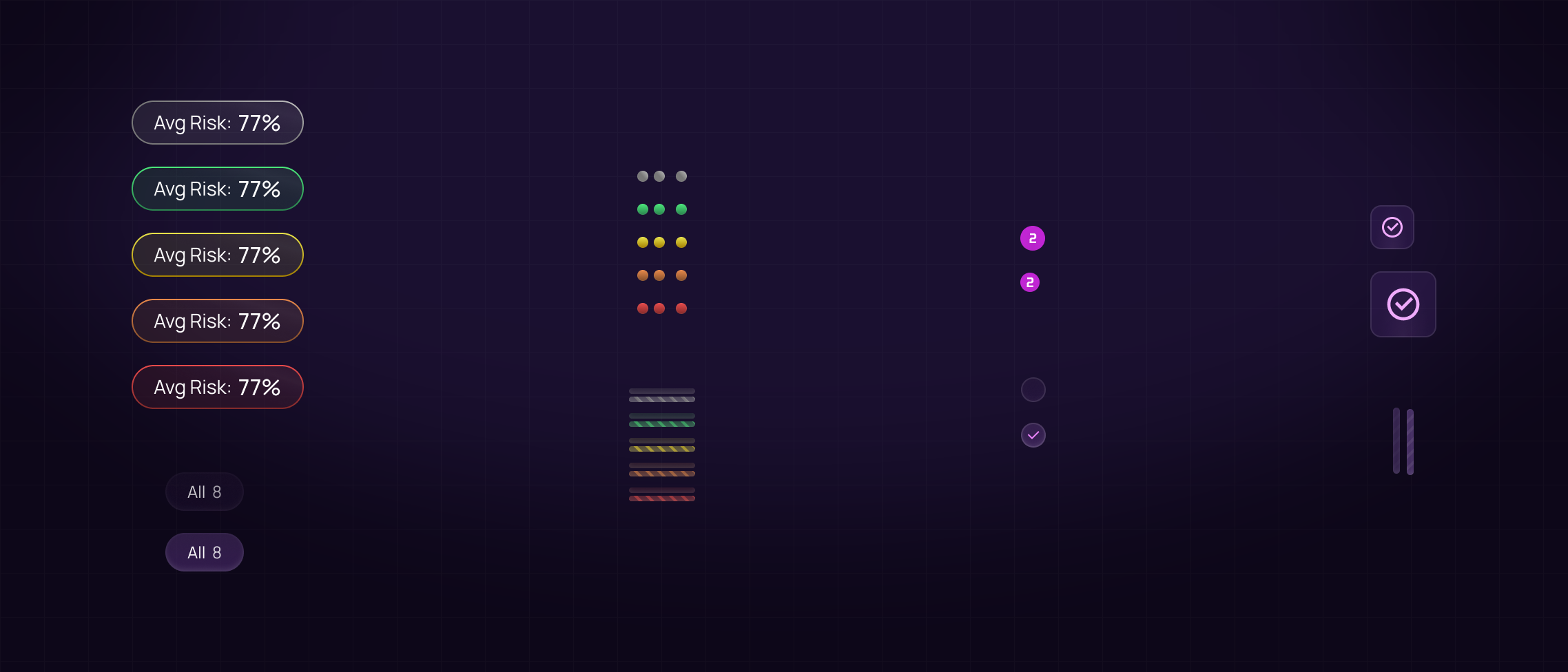
Telemetry Indicators: Standardized severity pills (Critical, High, Medium, Low), live pulse beacons, and risk metric tags.
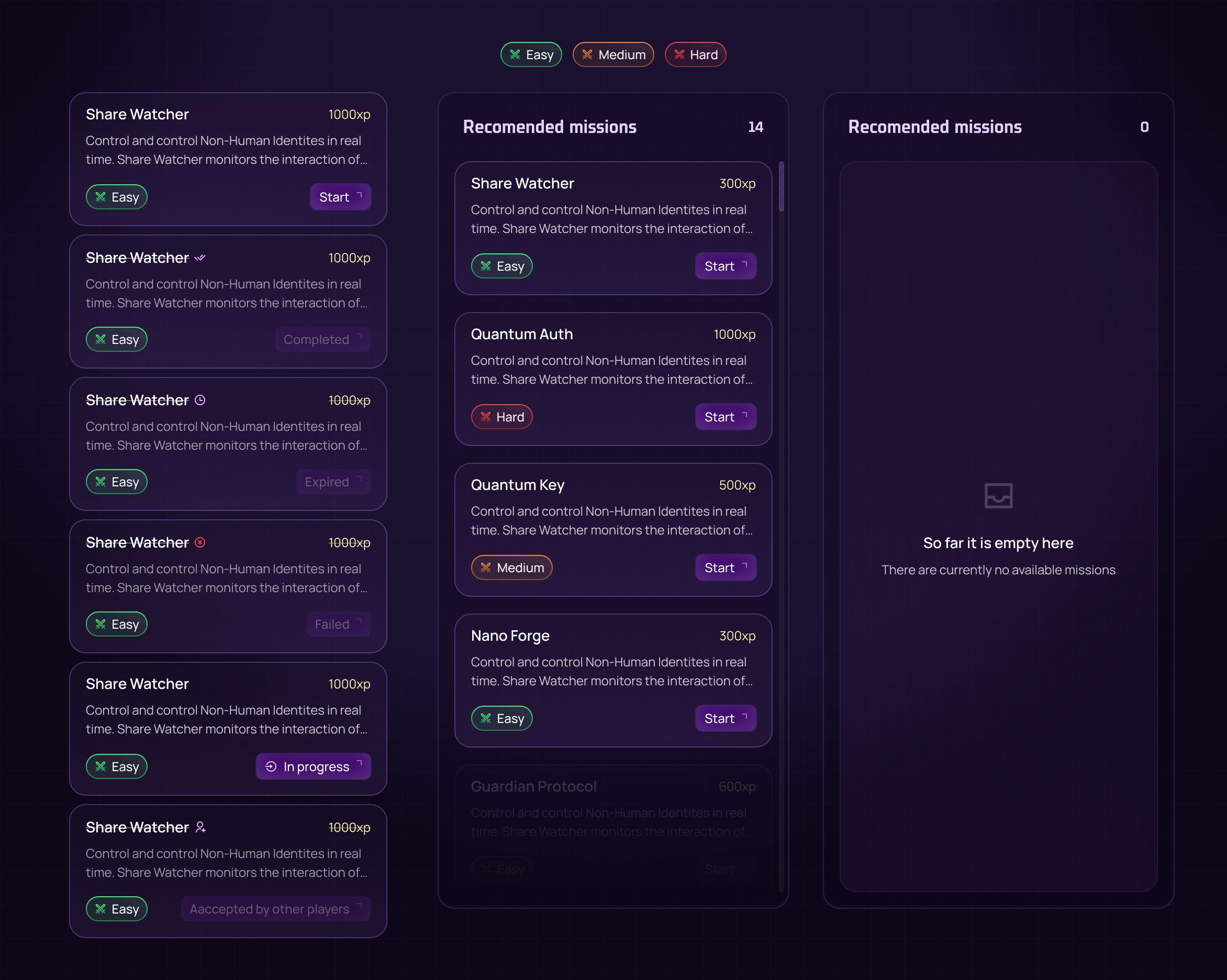
Mission Component Architecture: Modular card structures, progress states, interactive hover effects, and XP badge variants.
Trade-offs & Technical Constraints
Merging enterprise cybersecurity with gamified operational workflows required strict boundary management:
- Enterprise Rigor vs. Gamified Engagement: Security operations centers (SOC) suffer from severe alert fatigue, with analysts routinely ignoring tabular spreadsheets containing thousands of dormant service tokens. While gamification (agent rank cards, progression tiers, cyber-chamfer badges) dramatically increased daily engagement, pure gaming aesthetics risked compromising SOC-2 compliance audits and enterprise credibility. The critical trade-off was establishing a dual-layer OOUX interface: gamified motivation for discovery and remediation workflows, anchored by rigorous, audit-grade tabular views with raw cryptographic hashes, immutable event timestamps, and single-click token revocation logs.
Impact & Outcomes
Over a 3-month engagement, GGWP evolved from an ambitious security premise into an enterprise-ready, battle-tested cyber defense ecosystem:
- 42% Reduction in MTTR: Gamified tactical missions and direct remediation runbooks cut mean-time-to-remediate from hours to under 18 minutes.
- 89% Faster Machine Key Revocation: Instant 1-click cloud console integrations allowed on-call responders to neutralize compromised secrets in seconds.
- End-to-End Product Architecture: Architected and delivered 70+ desktop and mobile screens, a complete multi-tier design system, and an enterprise component library.
- 100% Audit Readiness: Unified over 17 million Non-Human Identities into automated, board-ready compliance reports for SOC2, HIPAA, and GDPR.
By merging enterprise-grade security architecture with engaging gamification mechanics, we proved that mission-critical cybersecurity platforms can be both analytically rigorous and an absolute joy to use.
